
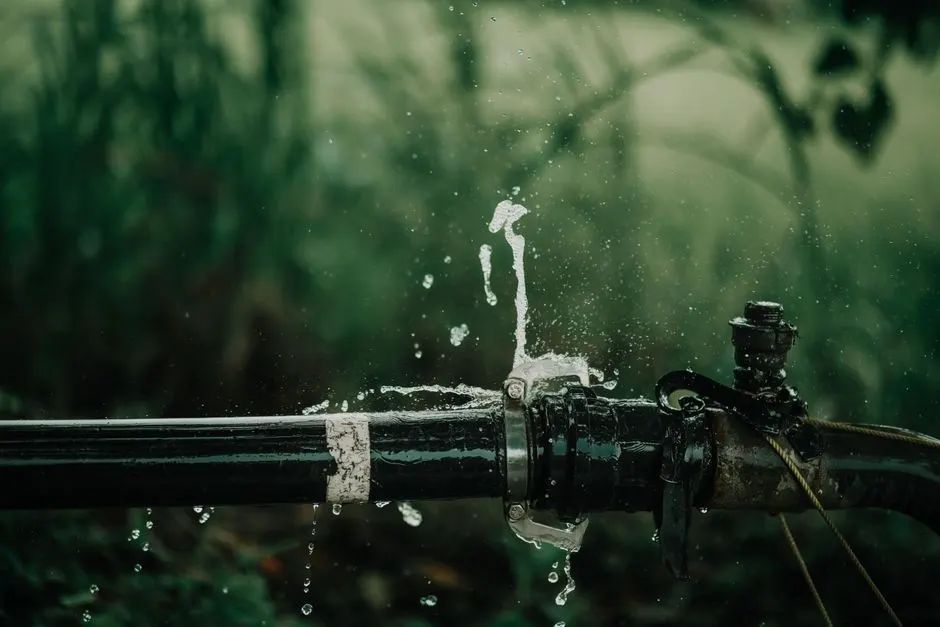
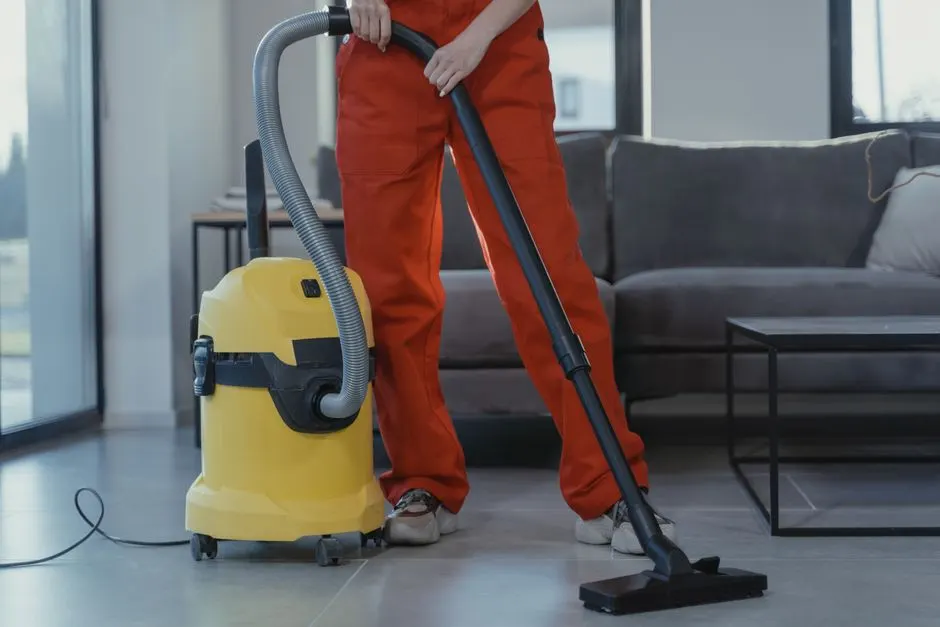

Logo
Get Estimate

Water Extraction in Springfield for Homes and Businesses

Water Extraction in Springfield starts with stopping the spread, removing standing water, and finding moisture that has moved beyond the visible wet area. Illinois Water Extraction Pros responds to basement flooding, burst pipes, sump pump failures, and stormwater intrusion throughout Springfield, including Downtown and Enos Park. We assess the source, select equipment for the affected materials, and explain the next steps before drying begins. Call us when water is still moving or hidden beneath flooring.

Call for Help Request Service
Emergency Response Service Coverage Direct Contact
Licensed Licensed & Bonded
Fully Insured Insured & Bonded
24/7 Emergency Same-Day Response
Warranty Backed Workmanship Guaranteed in Springfield
Springfield

Water Extraction in Springfield, Done Methodically


Water Extraction in Springfield is a water removal and structural drying service that removes unwanted water and reduces moisture after leaks, flooding, or other indoor water events. Our crew serves homes and commercial properties in Downtown, the Historic West Side, Vinegar Hill, and Indian Hills, as well as nearby streets around the Illinois State Capitol. A wet carpet is only the visible part of the job; water can travel into carpet padding, drywall, insulation, and flooring underlayment. We trace that moisture before choosing what to dry or remove.

Our water removal services in Springfield begin with a source check and a safety assessment. We use a moisture meter to map damp materials, then select extraction equipment based on access and water volume. A portable extraction pump can reach a tight basement; a truck-mounted water extraction unit handles larger volumes when access allows. After extraction, air movers and a commercial dehumidifier support controlled drying. We document readings so you can see whether materials are moving toward dry conditions.

Illinois weather makes timing important. Flat central Illinois terrain can slow surface drainage during heavy rain, while the Sangamon River and tributaries influence local flood conditions. We handle calls from ZIP codes 62701, 62702, and 62703, and extend coverage to 62704 and 62711. You get a clear work plan, practical updates, and a direct route to the next step.

  • Locally licensed and insured in Springfield
  • Same-day diagnostics and written estimates
  • Real workmanship warranty in writing
  • Background-checked, in-house technicians

Springfield Water Extraction Services

Springfield properties call for water removal after pipe breaks, overflowing appliances, basement seepage, and rain-driven entry. We match extraction to the water source and affected materials, then set drying equipment where it can move air without spreading contamination. For emergency Water Extraction in Springfield, Illinois, call as soon as you see active water or a rising basement level; stopping the source early can limit how far moisture travels. We serve homes, offices, and other local buildings with a practical, step-by-step response.

Emergency Water Extraction

Emergency Water Extraction

For active leaks or a room filling with water, we first help you identify safe shutoffs, then extract standing water and check adjoining materials. Our Springfield response covers residential and commercial calls, including after-hours pipe breaks. We use equipment sized to the volume and access, then record moisture readings to guide the drying plan.

View Details
Flood Water Removal

Flood Water Removal

Stormwater that enters a Springfield basement or ground-floor space needs prompt removal and a careful contamination check. We pump or extract water, remove unsalvageable porous material when required, and establish drying zones. For properties in low-lying areas, we also look for the entry path so the immediate cleanup is not mistaken for a complete fix.

View Details
Basement Water Removal

Basement Water Removal

Basements in Springfield can collect water from seepage, failed pumps, plumbing leaks, or heavy rain. We remove standing water, inspect the slab edge and finished walls, and check whether carpet padding or lower drywall has absorbed moisture. You get a clear distinction between areas that can be dried and materials that need removal.

View Details
Sump Pump Failure Water Removal

Sump Pump Failure Water Removal

A failed sump pump can leave water across a basement floor before you realize the system has stopped. We extract the water, inspect nearby stored items and finished materials, and dry the affected area. We also help you identify whether the trigger was power loss, a stuck float, discharge trouble, or a pump that could not keep up.

View Details
Sewage Backup Cleanup and Water Removal

Sewage Backup Cleanup and Water Removal

A sewage backup is a contaminated-water event, not a routine wet-floor cleanup. Our Springfield crew isolates the affected area, uses personal protective equipment, removes contaminated water and impacted porous materials, and applies appropriate cleaning procedures. We keep people and pets away from the work zone until the affected space has been cleaned and assessed.

View Details
Storm and Rainwater Extraction

Storm and Rainwater Extraction

Heavy rain can push water through openings or overwhelm a basement drainage setup. We extract stormwater, check adjacent rooms and lower wall sections, and set drying equipment after the source is controlled. In Springfield, flat central Illinois terrain can slow surface drainage during intense rainfall, so we check for water migration beyond the first puddle.

View Details
Groundwater Intrusion Removal

Groundwater Intrusion Removal

Groundwater seepage may appear along a basement joint, through a floor crack, or at the base of a wall. We remove collected water, map moisture, and distinguish active seepage from residual dampness. If water continues entering, we document the condition and explain what extraction can accomplish while the entry point is addressed.

View Details
Burst Pipe and Plumbing Leak Water Removal

Burst Pipe and Plumbing Leak Water Removal

A split supply line or hidden plumbing leak can wet multiple rooms before the source is obvious. We help you contain the leak, extract water from affected floors, and inspect wall edges and cabinets for moisture. Springfield calls include sudden leaks under sinks, behind appliances, and in ceiling cavities below plumbing runs.

View Details
Appliance Leak Water Removal

Appliance Leak Water Removal

A dishwasher, washing machine, refrigerator line, or water heater leak can spread beneath cabinets and flooring. We extract visible water and check the edges where it tends to collect, including under toe kicks and along transitions. In Springfield homes, early detection helps keep a small appliance leak from turning into a larger drying job.

View Details
Frozen and Burst Pipe Water Removal

Frozen and Burst Pipe Water Removal

When a pipe freezes and splits, water can continue flowing after the thaw begins. We help you stop the supply, remove water from the affected rooms, and check ceilings, wall cavities, and floors for migration. During Springfield winter cold snaps, prompt extraction reduces the time wet materials remain saturated and helps focus the repair plan.

View Details
Emergency Water Extraction in Springfield
Service · #1

Emergency Water Extraction in Springfield


Water Extraction in Springfield is available for urgent flooding in homes and businesses, from downtown storefronts to residences near Washington Park. Illinois Water Extraction Pros responds when a broken line, overflowing fixture, or sudden storm leaves standing water behind. We assess the affected rooms, remove water with suitable equipment, and plan drying around the building's materials. Springfield's changing seasons make a prompt response especially important when moisture reaches finished floors or walls.

Rapid Arrival And Assessment

When water is spreading through a home near Enos Park or a commercial space around the Capitol Complex, an early inspection helps establish the safest work plan. Our team identifies the source, checks accessible affected areas, and prioritizes water removal services in Springfield according to depth and material exposure. We explain immediate steps and document visible conditions before extraction begins.

Extraction For Active Leaks

A burst supply line or overflowing appliance can soak flooring and travel beneath trim before it is obvious. For emergency Water Extraction in Springfield, Illinois, technicians use pumps or extraction tools suited to the amount of water and access available. We work methodically around furniture and contents, removing standing water while taking care not to spread moisture into unaffected rooms.

Drying After Water Removal

Removing visible water is only the first stage; damp carpet backing, wall cavities, and subfloors may need additional attention. We position air movers and dehumidification equipment based on the inspected areas, then monitor drying progress. This service is designed for Springfield properties of different ages, including older homes with plaster finishes and newer buildings with layered flooring systems.

  • Inspect the water source, affected rooms, and accessible material conditions.
  • Extract standing water from floors, carpets, and hard-to-reach areas.
  • Place air movers and dehumidifiers to support controlled structural drying.
  • Record visible damage and provide clear next-step recommendations.

Flood Water Removal in Springfield


Water Extraction in Springfield helps address floodwater that enters properties after heavy rain, drainage problems, or an indoor overflow. Near low-lying streets and older blocks around West Side Springfield, water may affect basements, garages, and ground-floor rooms. Illinois Water Extraction Pros evaluates the source and extent before pumping and extraction, then considers how flooring, drywall, and stored belongings should be handled to limit further damage.

  1. 01

    Managing Flooded Interior Spaces

    Water across a basement or first floor needs a practical removal sequence, especially when furniture and stored items restrict access. Our flood cleanup company in Springfield assesses water depth, entry points, and affected surfaces before selecting extraction equipment. In neighborhoods such as Westchester and Leland Grove, we tailor the work to each property's layout rather than applying a one-size-fits-all approach.

  2. 02

    Addressing Weather-Driven Flooding

    Springfield's intense seasonal rain and freeze-thaw cycles can strain drains and expose gaps around foundations. We remove pooled water from accessible areas and note conditions that may allow another intrusion, such as a backed-up floor drain or water entering at a window well. After extraction, technicians identify damp materials that need targeted drying and continued observation.

  3. 03

    Restoring Affected Building Materials

    Floodwater can leave moisture in carpet edges, baseboards, and wall bottoms even after the floor looks clear. Our water damage restoration in Springfield approach includes checking exposed materials and arranging drying equipment where appropriate. We keep the affected work area organized, explain which items may require further evaluation, and help property owners understand the difference between extraction and later repair.

  • Assess flood entry points, water depth, and affected interior spaces.
  • Pump and extract standing water from accessible floors and basements.
  • Identify damp trim, carpet edges, and other materials needing drying.
  • Document visible conditions and outline practical restoration next steps.
Flood Water Removal in Springfield

02 / 10

Service

5+ YEARS · SPRINGFIELD

Basement Water Removal in Springfield

Water Extraction in Springfield can clear basement flooding before water spreads into stored belongings, finished rooms, or mechanical areas. Older homes near Oak Ridge and residential streets around Lincoln Park often have basements where a small leak becomes a larger cleanup after rain or plumbing trouble. Our technicians inspect access, standing water, and affected materials, then choose extraction and drying methods suited to the basement's layout and finishes.

Basement Flood Assessment

A basement inspection begins with identifying where water collected and whether it came from a plumbing failure, drain backup, or exterior intrusion. We check accessible floor areas, stairwells, and storage zones while noting finished walls and flooring. If you need water removal near me in Springfield after a basement flood, a clear assessment helps direct extraction without overlooking less visible areas.

Removing Water From Below

Basement water removal often requires pumps for deeper pooling and portable extraction tools for edges, corners, and finished spaces. We move equipment through the safest available access and work around furnaces, shelving, and stored possessions. For properties with older concrete foundations near central Springfield, we also look for signs of recurring seepage and distinguish new water from pre-existing dampness.

Drying Finished Basement Areas

Carpet, drywall, and wood trim can retain moisture after the visible water has gone. We set air movers and dehumidifiers based on the inspected conditions, paying attention to enclosed rooms and low-clearance corners. Our residential water damage restoration near Springfield service includes explaining what needs monitoring, so homeowners can make informed decisions about contents and any additional repairs.

  • Inspect basement floors, stairwells, storage areas, and visible water pathways.
  • Extract pooled water using suitable pumps and portable equipment.
  • Position drying equipment around finished walls, carpet, and confined corners.
  • Document affected contents and explain recommended monitoring steps.
Sump Pump Failure Water Removal in Springfield

Sump Pump Failure Water Removal in Springfield


Water Extraction in Springfield is important when a failed sump pump lets rainwater collect across a basement floor. Spring storms and power interruptions can leave properties near Lake Springfield or residential areas south of downtown vulnerable to sudden pooling. Illinois Water Extraction Pros checks the water level, basement access, and nearby equipment before removing water. We also identify moisture around the sump pit and help owners understand what drying their basement requires.

Inspect the sump pit, basement waterline, and accessible utility areas.

Promise

“A pump failure can leave water concentrated around the pit or spread across the entire basement. We inspect the visible waterline, nearby flooring, and accessible electrical or mechanical areas before starting work. O…”

— Springfield customer
Checking The Sump Area +

A pump failure can leave water concentrated around the pit or spread across the entire basement. We inspect the visible waterline, nearby flooring, and accessible electrical or mechanical areas before starting work. Our water removal services in Springfield focus first on safe access and practical extraction, especially in homes where stored belongings or finished partitions make movement more complicated.

Extracting Basement Water Safely +

Once the work area is assessed, technicians remove standing water with equipment matched to its depth and distribution. We avoid disturbing unrelated contents and track water as it recedes from corners and around utility spaces. If the sump stopped during a severe storm, we also note visible signs of exterior runoff or drain issues that may have contributed to the basement flooding.

Drying After Pump Failure +

Moisture can remain beneath mats, along baseboards, or in porous basement finishes after extraction. We arrange dehumidifiers and air movement to support drying, then review the affected areas with the property owner. This process is especially useful for Springfield homes with finished lower levels, where hidden dampness can be easy to miss once water is no longer visible.

  • Inspect the sump pit, basement waterline, and accessible utility areas.
  • Extract standing water from open floors and confined basement sections.
  • Place drying equipment near damp finishes and affected storage zones.
  • Note visible contributing conditions for the owner's follow-up planning.
Sewage Backup Cleanup and Water Removal in Springfield
Service · #5

Sewage Backup Cleanup and Water Removal in Springfield


Water Extraction in Springfield after a sewage backup requires careful attention to contaminated water and affected materials. Backups may occur in older homes near downtown or in commercial properties around South Grand when drains are overwhelmed or plumbing fails. Illinois Water Extraction Pros assesses the impacted area, limits unnecessary access, and removes contaminated water using appropriate procedures. We explain the cleanup sequence and identify materials that may need specialized handling or disposal.

Containing The Affected Area

Sewage water can carry contaminants, so occupants should avoid walking through affected rooms or moving items without guidance. We establish a controlled work area and assess which surfaces and contents have been exposed. For flood cleanup and structural drying in Springfield, Illinois, separating contaminated zones from unaffected spaces is an important first step before removal and cleaning begin.

Removing Contaminated Water

Technicians extract sewage water using equipment selected for the affected area and follow appropriate handling practices throughout the job. We focus on accessible pooling, affected floor surfaces, and the route water traveled, while limiting cross-contamination. The team explains which porous materials may not be suitable for ordinary drying and identifies items that require further evaluation or removal.

Cleaning And Drying The Space

After extraction, affected surfaces need cleaning and the remaining moisture needs careful evaluation. We address the work area according to the conditions observed, then use drying equipment where appropriate for retained moisture. Springfield properties vary widely in age and materials, so we discuss the next steps for finished basements, tiled utility rooms, and older floor assemblies separately.

  • Restrict access to contaminated rooms and establish a controlled work area.
  • Extract sewage water with equipment selected for affected conditions.
  • Identify exposed porous materials requiring further assessment or removal.
  • Clean affected surfaces and arrange appropriate drying procedures.

Storm and Rainwater Extraction in Springfield


Water Extraction in Springfield helps remove rainwater after strong storms overwhelm gutters, drains, or basement entry points. Heavy downpours can affect properties near the Sangamon River and homes across neighborhoods such as Harvard Park, leaving water at doors, window wells, or lower-level floors. Our team identifies how rain entered, extracts accessible pooling, and checks nearby materials for moisture so property owners can respond with a clear cleanup plan.

  1. 01

    Responding To Heavy Rain

    Sudden rainfall can push water through a low doorway or window well before a homeowner notices the accumulation. We inspect the entry area and affected rooms, then begin water removal services in Springfield based on the volume and access conditions. In storm-affected homes near downtown, we pay particular attention to basement stairs and lower-level storage where water can collect unseen.

  2. 02

    Tracing Indoor Water Entry

    Rainwater extraction is more effective when the apparent entry point is considered alongside the wet areas. Our technicians note visible runoff paths, backed-up drains, and damp openings without assuming a single cause. This assessment helps distinguish water brought in by surface flooding from moisture caused by a plumbing issue, giving Springfield owners a better basis for follow-up.

  3. 03

    Drying Storm-Affected Rooms

    Even shallow stormwater can soak rugs, baseboards, and belongings near exterior walls. We remove standing water and position drying equipment where inspected materials need air movement or dehumidification. Illinois floodwater removal near Springfield may also involve checking ground-level rooms and basement finishes, particularly after repeated rain when surfaces may already be holding residual moisture.

  • Inspect rainwater entry points, window wells, doors, and affected rooms.
  • Extract stormwater from basements, ground floors, and accessible surfaces.
  • Check nearby rugs, trim, and furnishings for visible moisture exposure.
  • Set drying equipment and document potential water pathways.
Storm and Rainwater Extraction in Springfield

06 / 10

Service

5+ YEARS · SPRINGFIELD

Groundwater Intrusion Removal in Springfield

Water Extraction in Springfield addresses groundwater that seeps through foundation joints, basement walls, or floor cracks. Seasonal rain and changing soil moisture can affect older properties in West Side Springfield as well as newer homes with finished lower levels. Illinois Water Extraction Pros examines visible seepage and pooled water, removes accessible standing water, and notes the areas that may require additional attention to reduce ongoing dampness and protect basement materials.

Locating Basement Seepage

Groundwater may appear as a damp strip along a wall, a wet floor joint, or pooling in a low corner. We inspect the basement perimeter and accessible surfaces to map visible moisture before extraction. Our water extraction services across Illinois include attention to local building conditions, such as older Springfield foundations where previous repairs and varied materials can affect water pathways.

Clearing Collected Water

Once seepage has collected, removing standing water helps make affected areas accessible for assessment and drying. Technicians use suitable pumps or extraction tools based on water depth, floor finish, and room layout. We avoid treating every damp basement alike, instead recording where moisture is concentrated and whether stored items or finished spaces have also been affected.

Managing Residual Moisture

Groundwater intrusion can leave concrete, lower wall sections, and stored materials damp after pooling is gone. We use air movement and dehumidification where appropriate, then explain what conditions should be watched during drying. For homes near Lincoln Park or other established Springfield neighborhoods, this measured approach helps owners distinguish a one-time wet floor from recurring seepage that needs separate evaluation.

  • Map visible seepage along basement walls, joints, and floor depressions.
  • Extract standing groundwater from accessible basement sections.
  • Place dehumidification equipment near damp concrete and lower wall areas.
  • Record recurring moisture indicators for property-owner follow-up.
Burst Pipe and Plumbing Leak Water Removal in Springfield

Burst Pipe and Plumbing Leak Water Removal in Springfield


Water Extraction in Springfield can limit the spread of water from a burst pipe or plumbing leak in homes, offices, and storefronts. Older buildings near the downtown square may have concealed plumbing routes, while newer properties can still suffer sudden fixture or supply-line failures. We locate the visible extent of water, remove pooling, and assess affected finishes so the cleanup plan reflects the building rather than just the leak's apparent starting point.

Inspect areas around reported pipe failures, fixtures, and visible staining.

Promise

“Water from a pipe leak can move behind cabinets, under flooring, or through ceiling assemblies before it reaches an open room. Our team checks visible staining and wet surfaces around the reported source, then identif…”

— Springfield customer
Finding The Affected Areas +

Water from a pipe leak can move behind cabinets, under flooring, or through ceiling assemblies before it reaches an open room. Our team checks visible staining and wet surfaces around the reported source, then identifies areas that need closer attention. For water damage restoration in Springfield, understanding the likely spread helps prioritize extraction and avoid overlooking adjacent rooms.

Extracting Plumbing Leak Water +

After the plumbing issue is addressed by the appropriate professional, we remove standing water from accessible surfaces. Pumps and extraction tools are selected for the depth and location, including tight spaces around fixtures or utility areas. We protect unaffected portions of the property where practical and keep owners informed as water is cleared from floors and other reachable surfaces.

Drying Walls And Flooring +

A leak may leave moisture in carpet, underlayment, drywall, or the base of cabinets. We position air movers and dehumidifiers according to the areas inspected and monitor drying conditions as work progresses. In Springfield buildings with older plaster or newer composite flooring, the team explains which materials need observation and where further repair decisions may be appropriate.

  • Inspect areas around reported pipe failures, fixtures, and visible staining.
  • Extract pooled water from floors and accessible plumbing-adjacent spaces.
  • Set drying equipment near affected walls, cabinetry, and flooring.
  • Document observed moisture spread and explain cleanup recommendations.
Appliance Leak Water Removal in Springfield
Service · #9

Appliance Leak Water Removal in Springfield


Water Extraction in Springfield helps when a dishwasher, washing machine, refrigerator, or water heater leaks onto interior floors. In homes around Jerome and residential blocks near Washington Park, water can escape beneath appliances and soak cabinets or adjoining rooms before it is noticed. Illinois Water Extraction Pros inspects the visible spread, removes standing water, and evaluates nearby flooring and finishes to guide drying and any necessary follow-up.

Checking Beneath Appliances

Appliance leaks often leave water hidden under kick plates, nearby mats, or cabinet edges. We inspect the accessible area around the source and follow visible wetness into adjoining spaces. If you need affordable floodwater extraction services in Springfield, Illinois, our assessment helps define the work based on actual water spread rather than assuming the wettest visible spot is the only affected area.

Removing Water From Floors

After the leak is stopped, technicians extract standing water from hard flooring, carpet, and other reachable surfaces. Equipment is chosen for the room's layout and the volume present, with care around appliance connections and nearby contents. Homes in Springfield's varied building stock may have different floor layers, so we note the materials that could hold moisture beneath the surface.

Drying Cabinets And Adjacent Rooms

Water can wick into cabinet bases and travel under flooring beyond the appliance alcove. We arrange air movement and dehumidification where inspection indicates retained moisture, then explain what areas need monitoring. This step is useful in kitchens and laundry rooms across Springfield, where cabinetry and thresholds can conceal lingering dampness after the surface appears dry.

  • Inspect appliance alcoves, cabinet bases, nearby flooring, and adjoining rooms.
  • Extract standing water from hard surfaces and accessible carpet.
  • Position drying equipment around affected cabinetry and floor edges.
  • Record visible water spread and identify materials needing observation.

Frozen and Burst Pipe Water Removal in Springfield


Water Extraction in Springfield is vital after winter temperatures freeze and split a pipe, releasing water into living spaces or basements. Cold snaps can affect exterior walls, garages, and unheated areas in homes across the city, including older properties near Enos Park. We assess the leak's visible impact, remove standing water, and plan drying for affected rooms after the plumbing source has been controlled.

  1. 01

    Assessing Winter Pipe Damage

    A frozen pipe may rupture behind a wall or in a ceiling before water becomes obvious. We inspect the reported location, visible wet areas, and accessible rooms to understand the extent of the release. Our Illinois water extraction and flood cleanup service accounts for Springfield's winter conditions and the possibility that water has reached spaces beyond the first visible stain.

  2. 02

    Removing Water After Rupture

    Once the damaged pipe is shut off or repaired, our team extracts standing water from floors and accessible surfaces. We choose equipment based on the amount released and the affected room, working around furnishings and household contents. In homes near Springfield's older residential districts, we also pay attention to water that may have traveled between floors or along concealed building routes.

  3. 03

    Drying Cold-Weather Interiors

    Water from a winter pipe failure can soak insulation, wall finishes, and flooring, while cold conditions complicate drying. We position drying equipment according to the inspected materials and indoor conditions, then check progress during the service. Owners receive clear guidance about damp areas to watch and where further evaluation may be needed after extraction.

  • Inspect visible damage around frozen pipes, ceilings, walls, and floors.
  • Extract released water from accessible rooms and basement areas.
  • Position drying equipment around winter-affected building materials.
  • Document observed moisture spread and recommend follow-up monitoring.
Frozen and Burst Pipe Water Removal in Springfield

10 / 10

Service

Residential Water Extraction

Residential Water Extraction for Springfield Homes

Springfield homes face water loss from basement flooding, sump pump failure, plumbing leaks, appliance failures, and frozen pipes. Finished lower levels can hold carpet padding and stored belongings that hide water at the floor edge, while a small leak near a water heater can spread beneath flooring before you notice a puddle. Our residential water removal services in Springfield start with a source check and a safety review, followed by extraction and moisture mapping. We work around your household: we keep a clear route through the home, protect unaffected rooms, and explain which materials are wet. You will know where equipment is placed and what readings we are tracking. If a leak is still active, stopping it comes first; drying cannot solve a continuing water source.

  • Basement water extraction — We remove standing water from Springfield basements after storms, groundwater seepage, or sump pump failure. Then we inspect lower walls, carpet edges, and stored items for absorbed moisture. You get a clear drying plan based on the materials affected, not just the visible water level.
  • Burst pipe cleanup — A pipe break can soak a kitchen, bathroom, ceiling, or basement quickly. We extract water, check adjoining rooms and wall edges, and track moisture as materials dry. In Springfield winter cold snaps, prompt action after a frozen pipe bursts helps limit the area exposed to water.
  • Appliance leak extraction — We handle water from washing machines, dishwashers, refrigerators, and water heaters in Springfield homes. Our inspection focuses on cabinet edges, flooring transitions, and the space beneath the appliance, where water often travels out of sight.
  • Sewage backup response — Sewage backup requires controlled access and appropriate protective procedures. We remove contaminated water, assess porous materials, and clean affected surfaces using suitable products. We keep household members and pets away from the work zone until the affected area has been assessed and addressed.
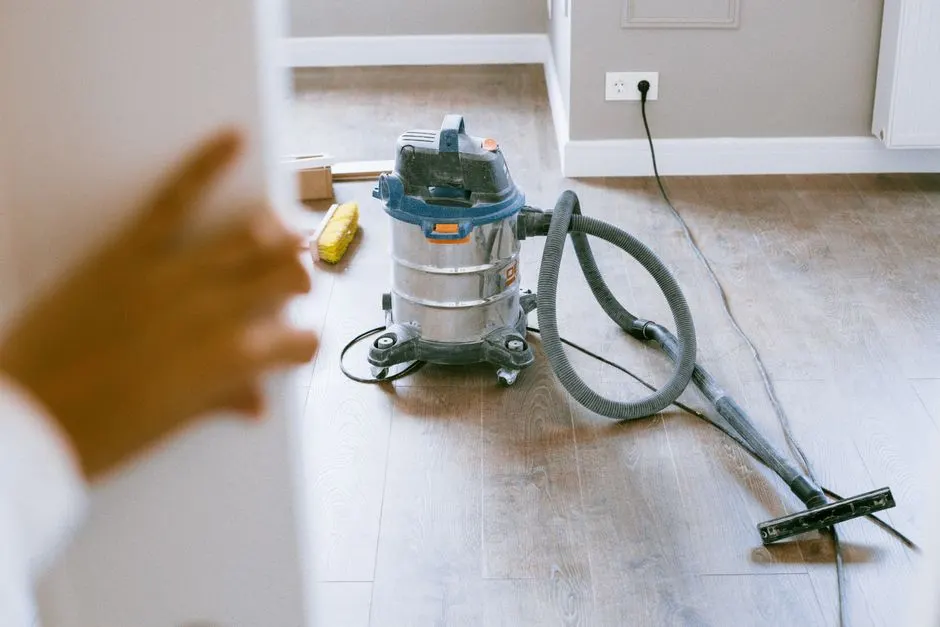
Commercial Water Extraction

Commercial Water Extraction in Springfield

A water loss in a Springfield workplace can interrupt public access, staff work, or tenant operations. Offices near Downtown, retail premises, lodging, education buildings, and property-managed sites need extraction staged around entrances, operating hours, and safe walking routes. We assess the water source and affected footprint, then plan equipment placement so the work area is controlled without blocking more space than necessary. For commercial water extraction, our crew removes standing water, checks affected materials, and records moisture readings to guide drying. If your business needs flood cleanup and structural drying in Springfield, Illinois, share the occupied hours, access rules, and any rooms that must remain usable. We coordinate the work sequence around those constraints while keeping the water condition and safety needs in view.

Professional officesRetail businessesHotels and lodgingEducation facilitiesProperty management

Common Springfield Water Damage Problems

Springfield water losses often follow seasonal storms, basement seepage, plumbing failures, and winter freezes. Flat central Illinois terrain can slow surface drainage during heavy rain, while local river and tributary conditions affect flood risk. Older and newer properties alike can have finished lower levels, concealed pipe runs, or appliances that leak beneath cabinets. Our Illinois floodwater removal near Springfield starts by identifying the source and water category; then we choose extraction and drying steps that fit the actual materials rather than treating every wet room alike.

Basement water after heavy rain and slow surface drainage

Flat central Illinois terrain can slow surface drainage during heavy rain. Water may collect near foundations or enter through weak points, and seasonal storms can cause basement water intrusion even when the roof and upper floors appear dry.

Sump pump failure during a Springfield rain event

A pump may stop because of a power interruption, stuck float, discharge restriction, or equipment failure. If water is already at the basement floor, a backup pump alone does not remove moisture held in carpet, padding, and wall materials.

Frozen pipe burst in a cold snap

Winter cold snaps raise frozen pipe risk, particularly where plumbing is exposed to cold conditions or a building is not consistently heated. A split may reveal itself only after thawing, sending water into walls, ceilings, or floors.

Appliance leak spreading under finished flooring

A failed hose, valve, or appliance connection can leak slowly and move under cabinets before a puddle becomes obvious. Flooring may conceal water at the underlayment, especially when the appliance sits against a wall or in a tight laundry space.

When to Call for Water Extraction

Call for Water Extraction in Springfield when water is moving, standing, or concealed in building materials. A wet basement after rain, an overflowing appliance, a burst pipe, or a sewage backup can damage more than the visible floor. If you are searching for water removal near me in Springfield after a basement flood, describe the water source and depth when you call. Do not enter a flooded area if electrical equipment or outlets may be submerged; keep people away until hazards are checked.

  • Water remains after a basement pump stops

    A shallow layer can still soak carpet padding, stored cardboard, and lower drywall. If the sump pump has failed or cannot keep up, extraction should start promptly and the pump problem should be addressed so water does not return during drying.

  • A ceiling stain grows after a pipe leak

    A spreading stain suggests water is still moving through a ceiling or wall assembly. The surface may look limited while insulation and framing remain wet. Stop the water source and arrange an inspection before the ceiling softens or the leak spreads.

  • Flooring feels soft near an appliance

    A dishwasher or washing machine leak can travel beneath flooring and collect at cabinet edges. Softness, lifting seams, or a damp odor means water may be trapped below the finish. Extraction and moisture checks help determine whether the underlayment is affected.

  • Sewage appears at a floor drain

    Sewage backup introduces contamination and should not be treated as ordinary mop-up. Keep children and pets away, avoid contact, and call for controlled removal. Porous materials exposed to sewage often require a different cleanup decision than clean water damage.

  • A frozen pipe thaws and water appears

    A split line can release water as temperatures rise, even if the pipe seemed intact during the coldest hours. Shut off the supply if safe and check ceilings, cabinets, and adjoining rooms. Hidden moisture needs assessment before repairs close the area.

Springfield Landmarks for Local Orientation

Springfield's civic and cultural landmarks provide familiar reference points when you describe where a property sits. We use the Illinois State Capitol and Abraham Lincoln Presidential Library and Museum to orient calls around central streets, and Washington Park helps identify the west-side area. A landmark is a navigation reference only; the building's address, access instructions, and water conditions guide the actual service plan. For an urgent call, share the property address and whether water is still entering.

Illinois State Capitol

The Capitol is a prominent reference point in central Springfield. Giving its nearby streets or direction from it can help clarify an address during a call, while the exact property location remains necessary for dispatch.

Abraham Lincoln Presidential Library and Museum

This museum and library complex is a recognizable downtown orientation point. Mentioning it can help distinguish central locations when you describe the route, but it does not indicate a service need at the landmark itself.

Washington Park

Washington Park is a familiar Springfield reference on the west side. It can help a caller describe the general area of a nearby residence or business while we confirm the street address and best access point.

Lincoln Home National Historic Site

The Lincoln Home National Historic Site is a recognizable central Springfield location. It can help orient directions to surrounding streets, with the building address and entry instructions used to plan the service visit.

Coverage across Springfield & Sangamon County

627116271262629627026270362701627066270762704627056271562716627196272262726627366273962756627576276162762627636276562766

Plus surrounding Sangamon County neighborhoods, with same-day routing on most appointments.

Seasonal Water Extraction in Springfield

As November brings winter cold snaps into view, Springfield homeowners should watch exposed plumbing, basement corners, and sump pump operation. A frozen pipe can release water when it thaws, while winter rain and snowmelt can still reach lower levels. Across the rest of the year, spring storms and summer downpours can overwhelm drainage, and fall maintenance can reveal leaks before freezing weather. A 24/7 water removal company serving Springfield, Illinois, can address active water while you arrange source repair and protect unaffected areas.

Spring

Spring storms can bring repeated heavy rain, and flat central Illinois terrain can slow surface drainage. Watch basement floors, sump pump discharge, and lower wall edges after a storm; water may appear first in storage areas or at a floor-wall joint.

Tip: Test the sump pump before wet weather and keep its discharge route clear. If water enters, note the depth and source, move belongings only if safe, and call before moisture reaches more rooms.

Summer

Summer downpours can send rainwater toward foundations, while appliance leaks and plumbing failures remain possible at any time. Warm indoor conditions do not guarantee quick drying; moisture beneath carpet or flooring can persist even after the room feels comfortable.

Tip: After a heavy storm, inspect the basement and utility area promptly. If you find standing water, avoid running household equipment in the affected area and arrange extraction and moisture checks.

Fall

Fall is a useful time to find slow leaks, check basement drainage, and prepare exposed plumbing before cold weather. Leaves or debris can affect exterior drainage paths, while a small appliance or water heater leak may remain unnoticed behind stored items.

Tip: Clear access to the sump pump and water shutoff, and look for dampness around the water heater. Report a recurring wet spot before winter makes the source harder to inspect.

Winter

Winter cold snaps raise frozen pipe risk in Springfield. A burst line can wet walls, ceilings, and floors when it thaws; a water heater leak or failed supply connection can also create a sudden indoor loss during a cold night.

Tip: Know where the main water shutoff is and keep vulnerable areas appropriately heated. If a pipe breaks, shut off water if safe, avoid electrical hazards, and call for extraction as soon as the area can be accessed.

Water Extraction in Springfield FAQs

Real answers from our team for the questions we hear most often before a job starts.

How much does Water Extraction cost in Springfield, Illinois?
A small clean-water extraction may cost about $250-$800, while a multi-room loss with several drying days can run $1,500-$5,000 or more. The 2026 price depends on water category, room count, material depth, equipment, and contamination. We assess the affected area and explain upfront pricing before work proceeds. Sewage cleanup and concealed water beneath flooring usually require additional labor.
Who provides emergency flood cleanup in Springfield, Illinois?
Illinois Water Extraction Pros handles emergency flood cleanup and water removal for Springfield homes and businesses. Call +18668968166 for active water, basement flooding, or a burst pipe. We identify the source, assess safety, remove standing water, and check affected materials. Our crew also explains what drying equipment is needed and what readings will be tracked as the property dries.
How quickly can a water removal company reach Springfield?
We take Springfield emergency calls 24/7 and prioritize active water losses, but an exact arrival time depends on the current call queue, access, and road conditions. Call +18668968166 and share your address, water source, approximate depth, and whether water is still entering. That information helps us plan the equipment and route while you take safe steps to limit further damage.
What should I look for in an Illinois water extraction company?
Look for a crew that explains water categorization, extraction equipment, moisture monitoring, safety procedures, and drying steps before work begins. Ask whether its process follows the ANSI/IICRC S500 Standard for Professional Water Damage Restoration and how it handles contaminated water. For residential water damage restoration near Springfield, clear readings and a direct work plan are better proof than broad claims.
Can you remove water from a Springfield basement after a storm?
Yes, we remove stormwater and basement water from Springfield properties, then inspect nearby walls, flooring, and stored materials for moisture. We use a pump or extraction equipment suited to the water depth and access. If water is still entering, we identify that condition before relying on drying equipment. Keep away from submerged electrical items and call when the area is safe to approach.

Call for Water Extraction in Springfield

If water is active in your Springfield home or business, call Illinois Water Extraction Pros at +18668968166. Our team takes emergency calls 24/7 and will ask about the source, water depth, and safe access so we can plan the response. We remove standing water, inspect affected materials, and explain the drying steps. Call now and tell us what you see.

Call Now Send a Message

Contact Our Team

Call Illinois Water Extraction Pros at +1-866-896-8166 any time, day or night, to report a leak, flooded basement, or stormwater intrusion. Tell us your Illinois community, the water source, and whether water is still entering; we will connect your request with an independent company serving the area. If there is an immediate electrical hazard, keep clear and contact emergency services.

Or call us right now at +18668968166 — we answer.

Illinois Water Extraction Pros


  • Phone

    +18668968166
  • Address

    Illinois

  • Hours

    Mon–Fri: 7AM – 7PM
    Sat: 8AM – 4PM
    Sun: Emergency Only
    24/7 Emergency Available

Call +18668968166 Get Quote
Call Quote