Logo
Get Estimate

Storm and Rainwater Extraction in Illinois

Get stormwater out and protect your building


Storm and Rainwater Extraction in Illinois helps homeowners, property managers, and businesses remove floodwater before it damages floors, drywall, and belongings. We pump standing water, check for moisture trapped in building materials, and set drying equipment according to the affected space. If a storm has flooded your basement or ground floor, call our team for practical help with extraction, cleanup, and structural drying.

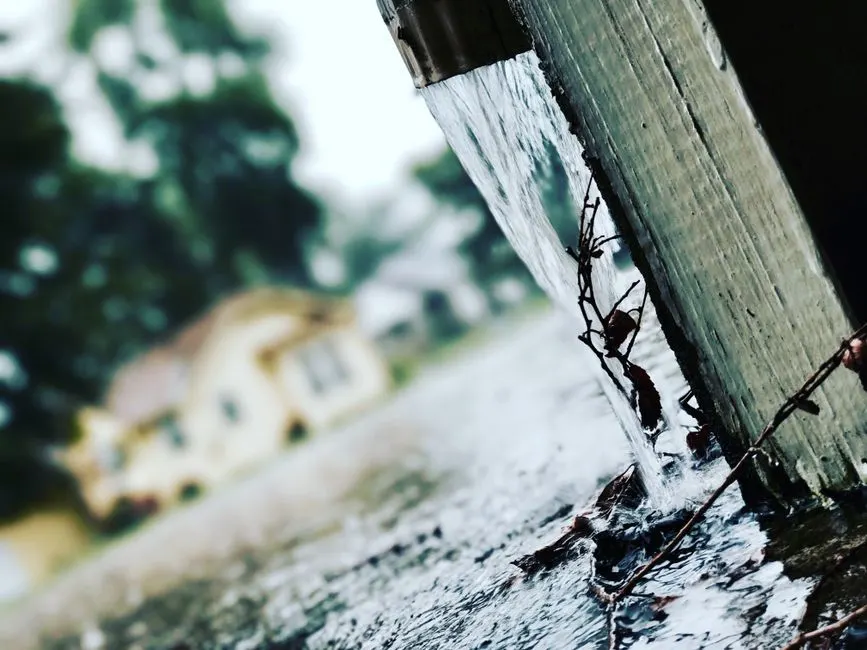
Close-up of rainwater flowing from a gutter during a storm, capturing the essence of rainy weather.
Licensed Licensed & Bonded
Fully Insured Insured & Bonded
24/7 Emergency Same-Day Response
Warranty Backed Workmanship Guaranteed

What Storm Cleanup Covers

Storm and rainwater cleanup covers assessment, standing-water extraction, checks for moisture in affected materials, and a drying setup suited to the space. We explain which cleaning steps apply to the water source and what the readings show. Material replacement, foundation work, and reconstruction are separate repair tasks when damage requires them; our immediate focus is getting water out and documenting the condition of the affected area.

Water Source Assessment

We look for the entry point, note whether water is still flowing, and check the affected rooms for safety concerns. Identifying stormwater intrusion, groundwater seepage, or a plumbing source helps us choose the right extraction and cleanup plan.

Standing Water Extraction

We select pumps and extraction equipment based on water depth, room access, and the floor surface. A submersible pump handles deeper water, while a wet/dry vacuum or portable extraction pump can address shallower areas and remaining water along edges.

Moisture And Material Checks

We inspect flooring, wall bottoms, and nearby materials with a moisture meter after pumping. These checks help reveal whether carpet padding, drywall, or underlayment remains wet, so you are not left relying on the appearance of a dry surface.

Drying Equipment Setup

We place air movers and a commercial dehumidifier to manage moisture in the affected space. Equipment placement follows the areas that tested wet, and follow-up readings help show whether drying is progressing or needs adjustment.

Cleanup And Progress Notes

We remove loose debris from work areas, clean affected surfaces as appropriate to the water source, and explain what remains wet or damaged. You receive a straightforward account of the extraction and drying progress to guide the next repair decisions.

Storm and Rainwater Extraction in Illinois


Storm and Rainwater Extraction in Illinois is emergency water removal that pumps storm-driven water from buildings and dries materials exposed to flooding. We first identify the water source and depth, then use a submersible pump or truck-mounted water extraction unit for bulk removal. After the visible water is gone, a moisture meter helps locate damp drywall, flooring underlayment, and other materials that need drying. This distinction matters: a clear floor can still conceal moisture that leads to swelling, odors, or microbial growth.

Heavy downpours, rapid snowmelt, overwhelmed drains, and sump pump failure can push water into basements, garages, and commercial spaces across Illinois. Older masonry foundations and below-grade rooms need careful assessment because groundwater seepage can continue after rain stops. For emergency Storm and Rainwater Extraction after Illinois storms, we isolate electrical hazards, document affected materials, and begin pumping without spreading contaminated water. Our crews adapt equipment and drying plans to the structure, water depth, and weather conditions at the property.

What Happens During Cleanup

Storm and Rainwater Extraction in Illinois follows a clear sequence: control the hazard, remove standing water, and measure the drying work. We explain what we find as we move through your property, so you know what has been removed and what still needs attention.

01

Schedule

Call or book online — a real human picks up and confirms a 2-hour arrival window.

02

Diagnose

Licensed tech inspects on-site, then walks you through the cause and your options.

03

Fix

The job is completed to code and done right the first time — no shortcuts, no surprises.

04

Guarantee

Every job backed by a written workmanship warranty — and we stand behind it.

Equipment And Drying Methods

Tools & Equipment

Submersible pump

We use a submersible pump to remove deeper standing water from basements and low areas. Pump selection depends on water depth, debris, and a safe discharge route.

Truck-mounted water extraction unit

For accessible, larger water losses, this unit supports high-volume extraction and helps clear broad floor areas before detailed edge work and drying begin.

Moisture meter

We use a moisture meter to compare readings in affected and less-affected materials, including lower drywall and flooring transitions, then adjust the drying plan.

Commercial dehumidifier

A commercial dehumidifier removes moisture from the air during structural drying. We pair it with air movement and check conditions as materials dry.

Dri-Eaz air mover

Dri-Eaz air movers direct airflow across wet surfaces and help move moisture toward dehumidification. Placement follows the room layout and measured wet areas.

Methods & Standards

ANSI/IICRC S500 water restoration approach

We use the ANSI/IICRC S500 Standard for Professional Water Damage Restoration as a reference for assessing water conditions, documenting affected materials, and planning extraction and drying. The job still depends on the actual source and building. We explain how those conditions affect cleaning and equipment choices.

Staged extraction and drying

We remove bulk water first, then use smaller extraction tools for residual water before setting air movement and dehumidification. This order keeps drying equipment focused on moisture in materials rather than water still covering the floor. Follow-up readings show whether the setup needs adjustment.

Moisture mapping

We take readings across the affected room and at likely migration points, such as wall bottoms, flooring seams, and adjoining spaces. Comparing readings over time helps distinguish a dry surface from a dry assembly. You can see why a particular area needs further drying or inspection.

When To Call For Extraction

01

A late-fall downpour pushes water through a basement window well or foundation opening.

What we do: We check whether water is still entering, remove standing water, and inspect the floor and lower wall sections for moisture. If debris came in with the water, we account for it during cleanup. We then place drying equipment according to readings instead of treating the entire basement as equally wet.

→ You get the water out, a clear view of affected materials, and a practical drying plan before dampness spreads into adjoining rooms.

02

Spring snowmelt and rain overwhelm a sump pump while stored items sit on the basement floor.

What we do: We pump the accumulated water and check around the sump pit, storage area, and flooring edges. We identify items that can be moved and areas that need moisture monitoring. Once access is restored, you can have the sump system inspected without water continuing to sit around it.

→ The basement becomes accessible again, and you know whether the floor, wall bottoms, or stored contents need additional drying or cleaning.

03

A commercial entrance floods during a storm, leaving water across flooring and a customer walkway.

What we do: We isolate the wet area from foot traffic, extract water using equipment suited to the floor and access, and check adjacent seams where water may collect. We coordinate the drying setup around the affected space so you can plan safe reopening based on the condition of the floor.

→ You get a controlled cleanup sequence and moisture checks to guide when the affected area can return to normal use.

04

A storm reveals water at a wall-floor joint in an older home with a partially finished basement.

What we do: We trace the visible spread, pump water from the low area, and check nearby drywall and flooring for retained moisture. We keep the investigation focused on the affected section so you can see whether water traveled behind finishes or stayed on the surface.

→ You receive a measured account of the wet area and the drying or repair steps needed to protect the finished portion of your basement.

Storm Cleanup Across Illinois Properties

Illinois weather shifts from late-fall rain and freeze-thaw conditions into winter snow, then spring storms and summer downpours. Each pattern brings a different water problem: frozen ground can limit drainage, sudden rain can overwhelm a sump system, and melting snow can keep basement walls damp after the surface water is gone. Stormwater and Rainwater Removal in Illinois must account for the building as well as the weather. We see a mix of older masonry basements, finished lower levels, slab floors, and commercial spaces with low entrances. We assess water source and materials before choosing pumps or drying equipment, and we follow applicable safety requirements and restoration standards. If you need an Illinois rainwater pumping and structural drying service, tell us whether water is still entering and what rooms or materials are affected. That information helps us prepare for the conditions on site. Our work includes communities such as Champaign, Arlington Heights, and Normal, with service coordinated across the state rather than limited to one local market.

Neighborhoods We Serve

  • Champaign residential blocks

    Basement entries and finished lower levels need checks at wall bottoms and flooring seams after heavy rain, where water can travel beyond the visible puddle.

  • Arlington Heights homes

    We account for below-grade rooms and sump systems when stormwater collects, checking utility areas and stored belongings as well as the open floor.

  • Normal mixed-use properties

    Homes and commercial spaces may have different access and floor materials, so we plan extraction around safe entry, foot traffic, and the affected surface.

Local Conditions We Plan For

  • Late-fall rain followed by freezing overnight temperatures

    Water around exterior entries or foundation openings can freeze and complicate access. We check for continuing inflow and make sure the extraction route and work area remain safe before setting equipment.

  • Spring snowmelt combined with sustained rainfall

    Saturated ground can keep pressure against foundation walls after a storm passes. A basement may need pumping and repeated moisture checks because seepage can continue after the initial standing water is removed.

  • Summer downpours overwhelm local property drainage

    Fast runoff can enter through low doors, window wells, or garage openings. We remove water from affected areas and check transitions into adjoining rooms to locate spread beyond the entry point.

Basement After Heavy Rain

Before

A homeowner found about 2 inches of rainwater across a basement floor, with damp carpet edges and boxes resting directly on the concrete. Water had stopped entering, but the room still smelled damp and the lower drywall had not been checked. The family needed a way to clear the floor and understand whether the finished section was affected.

After

We pumped the standing water, extracted moisture from the carpet edge, and checked the lower walls and floor with a moisture meter. Air movers and a dehumidifier ran through the initial drying period, with readings reviewed over the following days. The homeowner had a mapped affected area and a clear repair decision for the materials that remained wet.

Maintenance: Keep storage at least 4 inches off basement floors and check the sump system before forecast heavy rain. After a flood, watch wall bottoms and carpet edges for renewed dampness rather than relying only on whether the center of the floor feels dry.

Before

Storm runoff crossed a commercial entrance and spread across roughly 600 square feet of hard flooring. Staff had placed towels at the doorway, but water had reached floor seams and the edge of a nearby storage area. Foot traffic risked tracking debris farther into the building while operations were underway.

After

We restricted access to the wet section, extracted the water, and checked seams and adjacent areas for moisture. The broad floor was cleared first, followed by targeted drying at the entrance and storage edge. The manager had a documented account of the affected area and could make reopening decisions based on the floor's condition.

Maintenance: Keep entry mats and drainage paths clear, especially before periods of heavy rain. After runoff enters, limit foot traffic and move items away from wet edges so debris is not carried into dry rooms while extraction is being arranged.

Before

A sump pump stopped during a storm, leaving about 3 inches of water around a utility area and beneath the edge of finished flooring. Several stored items sat near the wet wall. The homeowner needed the water removed without overlooking moisture that might have traveled behind the finished surface.

After

We assessed the utility area, removed the standing water with a pump, and checked the floor edge and lower wall for moisture. Drying equipment was placed where readings showed the greatest need. The homeowner could see what had been affected and coordinate sump repair separately from the water cleanup.

Maintenance: Test the sump system routinely and keep the pit clear of debris. Store valuables on shelving, not directly on the basement floor, and investigate unusual pump cycling before the next heavy rainfall.

Solve Stormwater Problems Before They Spread

Water entering a basement or ground floor can move under flooring and into wall cavities before the visible puddle grows. We remove the standing water, check the materials it contacted, and separate immediate cleanup from follow-up repairs. Early, measured work helps you understand the condition of the building rather than relying on guesswork.

Problem

Basement water keeps entering after the rain has stopped

Continuing groundwater seepage can refill the room, soak stored belongings, and keep lower walls damp after the first pumping pass.

Our Fix

We remove the accumulated water, identify where it is entering, and recheck the affected areas as conditions change. If water continues to seep through a foundation joint, we explain the difference between extraction and permanent drainage or foundation repair so you can address both the immediate mess and the source.

Problem

Carpet looks dry while the padding stays saturated

Wet carpet padding can hold moisture against the subfloor, creating odor and damaging materials even when the surface feels nearly dry.

Our Fix

We extract surface water and check carpet edges and flooring transitions for retained moisture. Where readings show wet padding or underlayment, we explain the available drying or removal steps. Our goal is to base the next move on the material's condition, not on a quick visual check.

Problem

Stormwater carries debris into a finished living space

Soil and outdoor debris can spread across floors and into porous items, making simple pumping insufficient for a safe, thorough cleanup.

Our Fix

We assess the source and affected materials before cleaning, contain the work area where needed, and remove debris alongside standing water. Our team uses appropriate protective measures and explains which surfaces can be cleaned and which damaged materials need further attention.

Problem

A failed sump pump leaves water near electrical equipment

Water near outlets, appliances, or a utility panel creates a serious hazard and can damage equipment as it spreads across the basement floor.

Our Fix

We assess safety before entering the affected area and do not pump through an unsafe electrical condition. Once the space is safe to work in, we remove the water, check surrounding materials, and help you distinguish sump-system repairs from the extraction and drying work.

Protect Your Building After Flooding

Protect Your Building After Flooding

Stormwater left in a room keeps soaking into porous materials and makes cleanup harder. We focus on removing water first, then controlling moisture where it has traveled, so you can move from an active flood toward a measured recovery plan.

  • Less Water, Less Damage

    Fast pumping reduces the time water sits against carpet padding, baseboards, and lower drywall. We select a pump for the water depth and access, then switch to extraction tools as the level drops. That staged approach removes bulk water efficiently without forcing you to rely on a shop vacuum for a flooded room.

  • Find Hidden Moisture

    A dry-looking surface does not prove the structure is dry. We check floors, wall edges, and adjoining rooms with a moisture meter, then target air movers and a commercial dehumidifier where readings show retained moisture. You get a clearer picture of what needs drying instead of guessing from appearance.

  • Safer Cleanup Decisions

    Stormwater can carry soil, debris, and contaminants from outside or a drain. We assess the water category and affected materials before cleaning, use personal protective equipment where needed, and keep dirty water from tracking into unaffected rooms. The result is a cleanup plan matched to the actual source.

  • A Documented Next Step

    We record affected areas, visible damage, and moisture readings as work progresses. That gives you useful information for repair planning and helps distinguish extraction and drying from later reconstruction. If water has reached insulation or wall cavities, we explain the findings and the next practical step before equipment is removed.

Training And Work Standards

Licensed & Certified

  • IICRC Water Damage Restoration Technician — issued by Institute of Inspection, Cleaning and Restoration Certification
  • IICRC Applied Structural Drying — issued by Institute of Inspection, Cleaning and Restoration Certification
  • IICRC Applied Microbial Remediation Technician — issued by Institute of Inspection, Cleaning and Restoration Certification
  • EPA Lead Renovation, Repair and Painting certification — issued by U.S. Environmental Protection Agency

Verified Reviews

Customer feedback ★★★★★5.0

A homeowner in Champaign described a basement flooded after heavy rain. The crew removed the standing water, checked the lower wall and carpet edges, and explained how drying readings would guide the next step. The feedback highlighted clear communication during a stressful cleanup.

Customer feedback ★★★★★5.0

A property manager in Arlington Heights reported water across a shared ground-floor area after a storm. The team extracted the water, limited access while the floor was wet, and checked adjoining seams. The manager valued having a straightforward account of the work and affected areas.

Customer feedback ★★★★★5.0

A Normal homeowner called after a sump pump failed during rainfall. The crew pumped out the basement and set drying equipment around the wet utility area. The homeowner appreciated that the team explained what had gotten wet and what needed follow-up rather than simply leaving equipment behind.

Field Knowledge And Training

Storm and rainwater cleanup calls for more than moving water to a drain. We assess the source, materials, safety risks, and moisture beyond the visible puddle, then match extraction and drying methods to the building. Our technicians use training aligned with IICRC Water Damage Restoration Technician (WRT) practices and the ANSI/IICRC S500 Standard for Professional Water Damage Restoration. We follow the job conditions, not a one-size-fits-all checklist, and keep you informed about what is wet, what is being dried, and what needs repair.

  • We use moisture readings and visual checks together, because wet drywall can hide behind trim even after the floor looks clear.
  • Our team distinguishes stormwater intrusion from a sewage backup or plumbing leak before choosing cleaning and protective measures.
  • We plan extraction around finished basements, utility rooms, commercial floors, and restricted access points.
  • We document equipment placement and drying progress so you can understand why a room needs another day of air movement.
  • Our technicians use personal protective equipment and follow OSHA Hazard Communication Standard practices when handling cleaning products.
Get Started Today
Field Knowledge And Training

Cities We Serve In Illinois

Our statewide coverage brings storm cleanup to homes and businesses across different building types and weather patterns. Stormwater and Rainwater Removal in Illinois includes pumping, affected-material checks, and drying suited to the property, whether water entered a basement, ground-floor business, or garage. We coordinate service across Illinois and name Champaign, Arlington Heights, and Normal among the communities we serve. Each location page provides local details, while our cleanup approach stays focused on water source, safety, and measurable drying progress.

Stormwater Cleanup Questions

Real answers to the questions we hear most often from local homeowners and property managers.

When should I call for Storm and Rainwater Extraction in Illinois?
Call as soon as stormwater enters a living space, basement, garage, or business, especially if water is still rising or near electrical equipment. If safe, avoid walking through standing water and keep people away from affected outlets. We assess the source, water depth, and materials, then start extraction and moisture checks. Even a shallow layer can soak into carpet padding and wall edges, so waiting for visible damage to appear is not a sound drying plan.
How quickly can stormwater be removed from a basement?
A modest basement with clear access may take one to three hours for bulk pumping; larger or obstructed spaces take longer. We choose a submersible pump for deeper water and extraction equipment for the final layer. Drying is a separate phase and often takes two to five days, with readings guiding when equipment can come out. Ongoing water entry, saturated contents, and hidden wall moisture can extend the work.
How much does storm flood cleanup cost in Illinois?
Typical 2026 pricing ranges from $500 to $4,500 for extraction and initial drying, depending on water volume, contamination, materials, and equipment time. A small clean-water event costs less than a deep basement flood with wet drywall and insulation. We review the affected areas and explain upfront pricing before work proceeds. Reconstruction, replacement materials, and specialty contamination work are separate needs when the inspection shows they are required.
What is included in professional rainwater removal?
Professional rainwater removal includes a site and source assessment, pumping or extraction, affected-area checks, and a drying plan based on measured moisture. We also identify debris and materials that need cleaning or further repair. An Illinois rainwater pumping and structural drying service may use a pump, wet/dry vacuum, air movers, and a commercial dehumidifier. The exact setup depends on water depth, access, and the materials that got wet.

Other Water Cleanup Services

Emergency Water Extraction

When stormwater enters suddenly, emergency extraction gets standing water out before it spreads farther through your property. We assess the source and select pumps or extraction tools for the affected area, then check nearby materials so your cleanup plan accounts for more than the visible puddle.

View Emergency Water Extraction

Flood Water Removal

Flood Water Removal addresses larger water events that affect multiple rooms, ground floors, or commercial spaces. It connects directly to storm cleanup when rain overwhelms drainage or enters through a low opening. We remove bulk water, assess wet materials, and establish a drying sequence.

View Flood Water Removal

Basement Water Removal

A flooded basement often needs a pump, careful debris handling, and moisture checks at the wall-floor joint. Basement Water Removal focuses on these below-grade conditions, including water that enters during heavy rain. We help you move from standing water to measured drying and repair decisions.

View Basement Water Removal

Sump Pump Failure Water Removal

A failed sump pump can let storm-driven groundwater build up quickly in a basement. We extract the water and check nearby flooring, storage, and lower wall sections for moisture. Once the space is accessible, you can address the pump problem and reduce the chance of another flooded-room cleanup.

View Sump Pump Failure Water Removal

Sewage Backup Cleanup and Water Removal

A drain or sewer backup requires a different safety plan from clean rainwater. We identify the source and affected surfaces, use appropriate protective measures, and remove contaminated water before cleaning. If storm conditions coincide with a backup, this service addresses the added sanitation risk.

View Sewage Backup Cleanup and Water Removal

Groundwater Intrusion Removal

Groundwater seepage can continue through foundation joints after rainfall ends, leaving a basement damp even after pumping. We remove accumulated water, trace the affected area, and check materials for retained moisture. The findings help distinguish immediate cleanup from longer-term drainage or foundation repairs.

View Groundwater Intrusion Removal

Get Storm and Rainwater Extraction In Motion

Standing water keeps working into floors and walls. Call our Illinois team at +18668968166 and tell us where water entered, how deep it is, and whether it is still coming in. We provide upfront pricing and a clear extraction plan for your property.

Call Now Call For Help

Contact Our Team

Call Illinois Water Extraction Pros at +1-866-896-8166 any time, day or night, to report a leak, flooded basement, or stormwater intrusion. Tell us your Illinois community, the water source, and whether water is still entering; we will connect your request with an independent company serving the area. If there is an immediate electrical hazard, keep clear and contact emergency services.

Or call us right now at +18668968166 — we answer.

Illinois Water Extraction Pros


  • Phone

    +18668968166
  • Address

    Illinois

  • Hours

    Mon–Fri: 7AM – 7PM
    Sat: 8AM – 4PM
    Sun: Emergency Only
    24/7 Emergency Available

Call +18668968166 Get Quote
Call Quote