
Logo
Get Estimate

Emergency Water Extraction in Illinois, Day or Night

We remove standing water and protect your property.


Emergency Water Extraction in Illinois gets water out of homes and businesses after a flooded basement, burst pipe, or storm intrusion. Our team responds to urgent calls across the state, removes standing water, and checks for moisture left behind in flooring and walls. If water is spreading now, call us for 24/7 emergency Water Extraction Illinois service and a clear next step.

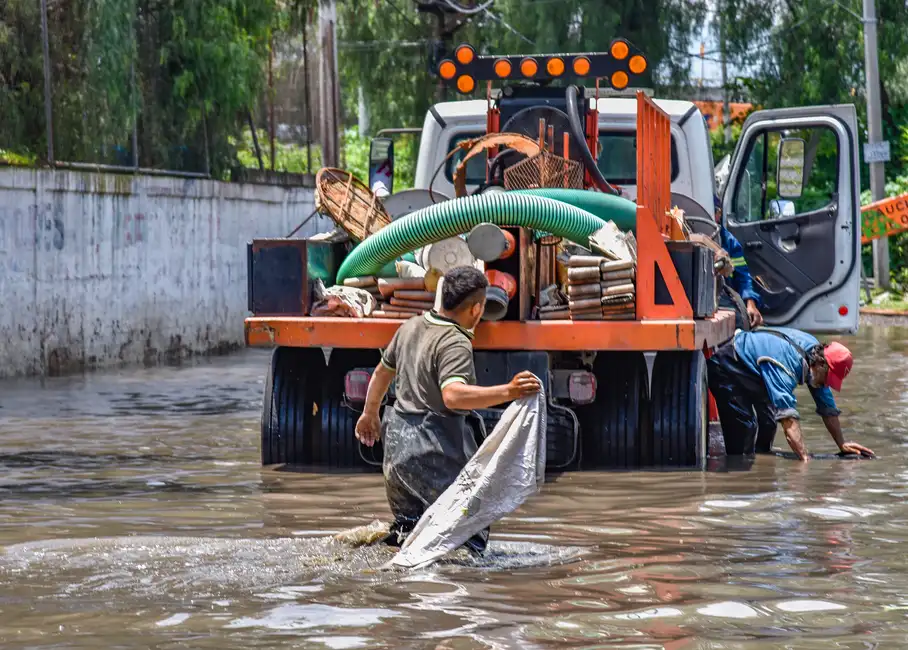
Workers wading through floodwaters near a truck, managing a city crisis after heavy rain.
Licensed Licensed & Bonded
Fully Insured Insured & Bonded
24/7 Emergency Same-Day Response
Warranty Backed Workmanship Guaranteed

What Emergency Extraction Includes

Emergency extraction covers initial assessment, removal of accessible standing water, and moisture checks in affected areas. We select pumps and vacuums to fit the volume and layout, then explain whether drying equipment or additional cleanup is needed. A sewage backup or other contaminated-water loss requires handling suited to that source, rather than the same process used for a clean supply-line leak.

Water Source Assessment

We ask how water entered and whether the source is still active, then inspect the affected rooms. Identifying a plumbing leak, stormwater intrusion, or backup helps determine safe access and the appropriate extraction and cleanup approach.

Standing Water Removal

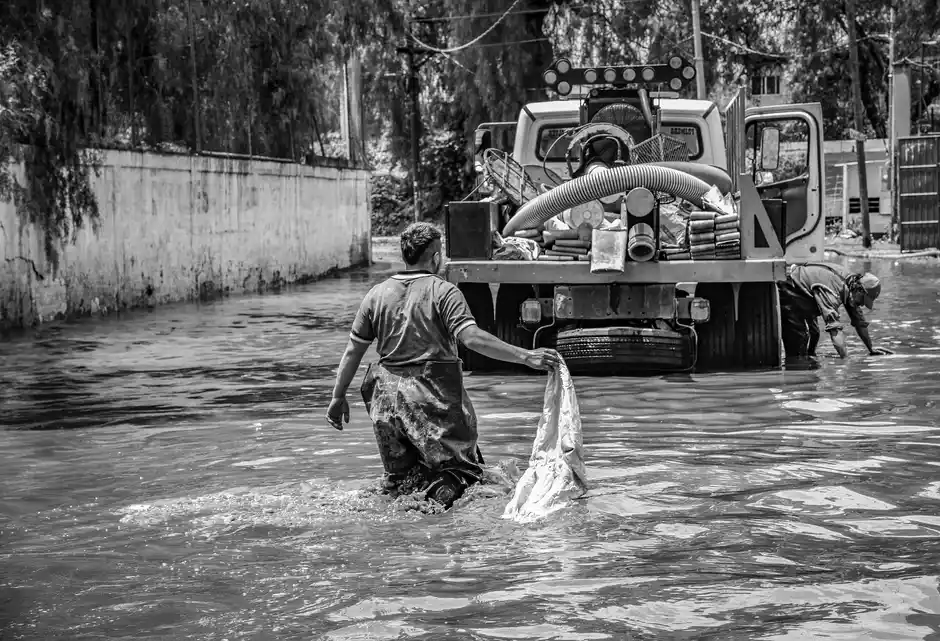
We use a submersible pump for deeper water and extraction equipment for shallower areas or tight access. Removing pooled water reduces the amount available to soak into flooring, carpet padding, and lower wall materials.

Moisture Checks

We check visible and accessible materials with a moisture meter and note areas needing continued attention. This helps identify dampness beyond the obvious waterline and supports decisions about drying equipment or material removal.

Drying Recommendations

After extraction, we explain whether air movers or a commercial dehumidifier are appropriate and what the next checks should cover. Your plan follows the materials and readings in your property, not a one-size-fits-all schedule.

Emergency Water Extraction in Illinois: What It Does


Emergency Water Extraction in Illinois is a property restoration service that removes unwanted water and identifies moisture requiring prompt drying after a leak, flood, or plumbing failure. We first assess the water source and affected materials, then use pumps and extraction equipment suited to the depth and access. A moisture meter helps locate damp areas beyond the visible puddle. Removing water quickly limits how long carpet padding, drywall, and flooring underlayment remain wet, while measured drying helps guide the next work.

Illinois properties face basement flooding, sump pump failure, frozen pipe burst, appliance leaks, and stormwater intrusion. In winter, a pipe can split during a prolonged freeze; spring thaw and heavy rain can push groundwater through foundation cracks. Our Illinois emergency water removal service addresses the immediate water and maps the affected area before drying begins. If you are searching for an emergency Water Extraction near me for a flooded home, tell us where water entered, how deep it is, and whether electricity is affected.

What Happens During a Call

Emergency water removal in Illinois starts with containing the immediate problem, not moving equipment blindly. We ask about the source, affected rooms, water depth, and safety concerns. Once on site, we explain the work sequence and keep you informed as extraction and moisture checks progress.

01

Schedule

Call or book online — a real human picks up and confirms a 2-hour arrival window.

02

Diagnose

Licensed tech inspects on-site, then walks you through the cause and your options.

03

Fix

The job is completed to code and done right the first time — no shortcuts, no surprises.

04

Guarantee

Every job backed by a written workmanship warranty — and we stand behind it.

Extraction Equipment and Methods

Tools & Equipment

Truck-mounted water extraction unit

Provides high-volume extraction for accessible areas with substantial water. We choose it when the job layout and volume make a truck-mounted setup practical, then follow with moisture checks.

Portable extraction pump

Handles water in tighter areas where access is limited or a larger unit cannot reach. It helps us remove pooled water from utility rooms, lower levels, and smaller affected spaces.

Submersible pump

Moves deeper standing water from a basement or other low point before detailed extraction begins. Pumping first reduces the water volume and helps make affected surfaces accessible for inspection.

Moisture meter

Checks moisture in accessible building materials after visible water has been removed. We use readings alongside material type and location to guide drying decisions and follow-up checks.

Commercial dehumidifier

Removes moisture from indoor air during the drying phase. We pair it with air movement when conditions and material readings support active structural drying.

Methods & Standards

ANSI/IICRC S500-guided assessment

We assess the water source, affected materials, and extent of wetting before choosing an extraction plan. The ANSI/IICRC S500 Standard for Professional Water Damage Restoration informs the restoration framework, while site conditions determine the equipment, safety steps, and documentation used.

Source and water-category separation

A supply-line leak, stormwater intrusion, and sewage backup do not receive identical handling. We identify the likely source and consider contamination before entering, extracting, or handling affected materials. This distinction guides protective measures and any additional cleanup needed.

Measured structural drying

After extraction, we use readings and observations to determine where drying equipment is useful. Air movers help circulate air across wet surfaces, while a commercial dehumidifier removes moisture from the room. Follow-up checks help show whether materials are progressing toward dry conditions.

When to Call for Extraction

01

A frozen pipe bursts overnight and water is spreading across a bedroom and hallway.

What we do: Call once the leak is shut off, or immediately if you cannot locate the source. We ask about electrical hazards and affected rooms, then bring extraction equipment suited to the water volume. Our team removes pooled water and checks the flooring and lower wall areas the leak crossed.

→ You get the water removed and a clear account of which materials need drying, helping you move from emergency response to plumbing repair.

02

Spring rain overwhelms a sump pump and leaves several inches of water in the basement.

What we do: We assess the water depth and safe entry, pump out the lower level, and inspect the floor edges and stored-item area. Once the standing water is gone, we use moisture readings to guide drying recommendations and identify materials that need closer attention.

→ The basement is cleared of pooled water, with next steps based on the areas actually affected rather than a visual guess.

03

A water heater leaks into a utility room before guests arrive for a holiday gathering.

What we do: We help you identify immediate safety concerns, then extract water from the utility area and check adjacent flooring and wall bases. If the leak has reached finished rooms, we extend the moisture inspection along its path and explain the drying needs.

→ You know where water traveled, what was extracted, and which repair or drying tasks must happen before the space is put back into use.

How Emergency Extraction Works in Illinois

Illinois weather changes the calls we handle through the year. As November brings colder nights, exposed plumbing and poorly insulated spaces become more vulnerable to frozen pipe damage; winter cold snaps can turn a small crack into a sudden indoor flood. Spring rain and snowmelt put pressure on sump systems and foundations, while summer storms can drive water through doors, window wells, or roof openings. Our Illinois emergency floodwater cleanup starts by finding the entry point and identifying whether water is still moving into the property. Building conditions vary across the state. Older Chicago two-flats and brick basements may have narrow stair access, while newer suburban homes often have finished lower levels with carpet padding and drywall that need moisture checks. In multi-unit buildings, water can travel between floors, so we ask where staining or dripping appeared-not just where the puddle formed. For emergency water removal, we plan around access, occupied rooms, and the materials affected. We follow applicable safety requirements and use recognized restoration practices, including ANSI/IICRC S500 guidance, while coordinating with the plumber or building manager when the source needs repair.

Neighborhoods We Serve

  • Chicago two-flats

    Narrow basement stairs and shared plumbing runs can complicate equipment access and tracing a leak. We assess the route before moving extraction equipment through occupied areas.

  • Lakefront apartment buildings

    Upper-floor leaks can travel into ceilings and neighboring units before water collects visibly. We ask residents where staining began and inspect the likely path, not only the lowest wet spot.

  • Suburban finished basements

    Carpet, built-in storage, and drywall can hide moisture around the perimeter. We check beyond the puddle and explain which materials need drying attention after extraction.

Local Conditions We Plan For

  • November freezes raise the risk of burst pipes in exposed spaces.

    A frozen pipe can release water as it thaws, often reaching floors and wall cavities before the leak is discovered. We prioritize stopping the source and tracing the water path.

  • Spring rain and snowmelt can overload sump systems and foundations.

    Basements may take on water through floor joints, window wells, or foundation cracks. Extraction removes standing water, while inspection identifies perimeter materials that need continued drying.

  • Older multi-unit buildings allow water to travel between floors.

    A leak from an upper unit may appear as a ceiling stain or wall drip elsewhere. We use the reported symptoms and moisture checks to locate affected areas beyond the original room.

Basement Cleared After Sump Failure

Before

A sump pump stopped during a period of heavy rain, leaving about 3 inches of water across a finished basement. Storage boxes were wet, carpet padding had absorbed water, and the owner could not tell whether the lower drywall was affected. Water remained around the stairs and utility area.

After

Our team pumped out the standing water and extracted the wet carpet surface. Moisture checks identified affected areas along the lower wall and flooring edge. The immediate water removal took about 4 hours; drying continued afterward with equipment selected for the measured conditions.

Maintenance: Test the sump pump before the rainy season and keep its discharge line clear. Check the backup power arrangement and listen for unusual cycling. If the pit fills but the pump does not run, call for service before the next storm.

Before

A supply pipe split in a utility area during a cold snap and sent water into a nearby hallway. The floor looked clear near the pipe, but moisture had moved under the flooring at the doorway. The household had shut off the line but needed the affected rooms assessed.

After

We removed pooled water from the utility room and hallway, then checked the flooring transition and adjacent wall bases. Extraction took roughly 2 hours. The readings showed where drying equipment was needed, allowing the homeowner to coordinate the plumbing repair and restoration work with a clearer map.

Maintenance: During cold weather, keep vulnerable areas warm and check exposed plumbing. Know where the main shutoff is before a leak occurs. After a repair, inspect nearby flooring and baseboards for new dampness instead of assuming the visible leak was the only affected area.

Before

Heavy rain pushed water through a basement window well, leaving approximately 1 inch across part of a finished room. The water had reached carpet edges and a storage cabinet. The homeowner needed to know whether the moisture stopped at the visible floor area.

After

We extracted the pooled water and inspected the window-side flooring, carpet edge, and lower wall. The initial removal took about 3 hours, followed by drying checks. We documented the affected zone and explained which items could be cleaned and which materials needed further evaluation.

Maintenance: Keep window wells clear of leaves and confirm that exterior drainage directs water away from the foundation. After intense rain, inspect the basement perimeter early. A small amount of new water is easier to address before it spreads beneath flooring or into stored belongings.

Problems Fast Extraction Helps Resolve

Standing water creates immediate problems: blocked access, soaked finishes, and moisture moving into materials you cannot see. Our emergency team prioritizes the source and water removal, then checks the affected area so you can make informed choices about drying and repairs.

Problem

A failed sump pump leaves water spreading across the basement floor.

Water can reach stored items, carpet padding, and lower drywall; prolonged dampness makes cleanup more involved and can delay use of the basement.

Our Fix

We pump out the standing water, inspect the perimeter and affected finishes, and check moisture in accessible materials. Once extraction is complete, we explain what needs active drying and what should be assessed for repair, helping you deal with the pump failure and its consequences separately.

Problem

A burst pipe sends water through multiple rooms before the leak is found.

Water follows floors and wall edges, potentially wetting underlayment and lower drywall well beyond the pipe location. A visible puddle may not show the full path.

Our Fix

We map the wet area, remove pooled water, and use moisture checks to identify likely spread. Our team coordinates the extraction sequence with the plumbing repair, then places drying equipment where readings and materials indicate it is needed.

Problem

Stormwater enters a finished lower level during heavy rain.

Water can carry debris and affect flooring, stored belongings, and wall surfaces. Repeated entry can leave a damp perimeter even after the floor looks clear.

Our Fix

We extract the water, assess the source and affected materials, and determine whether the water requires special handling. Our crew checks along the foundation-side walls and explains what drying or follow-up cleanup is needed after the immediate floodwater is removed.

What Prompt Extraction Protects

What Prompt Extraction Protects

Getting water out is the first practical step toward limiting damage. We work from the source and water depth outward, then check materials that can hold moisture after the surface looks dry. You get a clearer picture of what needs extraction, what needs drying, and what should be documented for the next repair decision.

  • Less Time in Materials

    Water trapped in carpet padding and flooring underlayment can remain after a room looks clear. We extract the water we can reach and check moisture readings at affected points. That gives you a documented basis for targeted drying rather than guessing from the surface or replacing materials before their condition is assessed.

  • A Safer Work Area

    Standing water near outlets, appliances, or a furnace calls for caution before anyone enters. We assess access and visible hazards, then use pumps or extraction equipment appropriate to the situation. If water may contain sewage, our crew uses personal protective equipment and handles the affected area as a contaminated-water job.

  • Equipment Matched to the Job

    A few inches in an open basement and water across several finished rooms need different approaches. A submersible pump moves deeper water, while a portable extraction pump handles controlled removal in tighter spaces. Matching equipment to volume and access avoids wasting time on a method that cannot keep pace.

  • Useful Drying Records

    We use readings and observations to track wet materials as work progresses. That record helps identify whether drywall, insulation, or floor layers need further attention and supports a more informed conversation about repairs. You are not left relying only on whether the room feels dry underfoot.

Training and Standards

Licensed & Certified

  • Water Damage Restoration Technician (WRT) — issued by Institute of Inspection, Cleaning and Restoration Certification
  • Applied Structural Drying (ASD) — issued by Institute of Inspection, Cleaning and Restoration Certification
  • Applied Microbial Remediation Technician (AMRT) — issued by Institute of Inspection, Cleaning and Restoration Certification
  • OSHA Hazard Communication Standard — issued by Occupational Safety and Health Administration

Verified Reviews

Customer feedback Not stated

A basement pipe leak spread into the finished room, and the crew checked the flooring instead of stopping at the visible puddle. They removed the water, showed us the moisture readings, and explained why one wall edge needed more drying. The clear sequence helped us arrange the plumbing repair without guessing what was still wet.

Customer feedback Not stated

After rain overwhelmed our sump pump, the basement had water across most of the floor. The technicians brought pumping equipment, cleared the standing water, and checked around the carpet and storage area. They explained what extraction could handle immediately and what needed to dry before we moved everything back.

Customer feedback Not stated

Our appliance leak seemed small, but water had traveled beneath the edge of the flooring. The team extracted the accessible water and checked the nearby materials with a moisture meter. We got a straightforward explanation of the affected area and the follow-up steps, which made the cleanup much easier to manage.

Training for Difficult Water Losses

Our technicians approach emergency extraction as measured restoration work: identify the source, remove water, and track what remains in the structure. We use IICRC Water Damage Restoration Technician (WRT) principles and the ANSI/IICRC S500 Standard for Professional Water Damage Restoration to guide assessment and drying decisions. Water category, material type, and exposure time matter. For sewage or suspected microbial contamination, we consider appropriate containment and remediation practices rather than treating the loss like a clean plumbing leak.

  • IICRC WRT training supports water-loss inspection, extraction choices, and practical drying documentation.
  • ANSI/IICRC S500 provides a recognized framework for professional water damage restoration procedures.
  • Moisture readings help distinguish a dry surface from damp layers beneath flooring or inside wall assemblies.
  • Our team separates clean-water leaks from sewage or stormwater exposure before selecting handling methods.
  • We coordinate extraction findings with the plumbing repair and building restoration work your property needs next.
Get Started Today
Training for Difficult Water Losses

Cities We Serve in Illinois

Our statewide coverage connects emergency water calls with a team prepared for different building layouts, weather, and access conditions. We provide Emergency Water Extraction across Illinois, from dense city buildings to suburban basements where sump systems and finished lower levels are common. For an Illinois emergency floodwater cleanup, share your city, the water source, and whether the water is still rising; those details help us prepare for the property and the immediate problem.

Emergency Water Extraction Questions

Real answers to the questions we hear most often from local homeowners and property managers.

How quickly can emergency Water Extraction arrive in Illinois?
Arrival time depends on your location, road conditions, and active call volume; we give you a time estimate when you call. Our line operates 24/7, and we prioritize immediate safety concerns such as fast-rising water or a leak near electrical equipment. While waiting, avoid standing water if power may be involved, and shut off the water source only if it is safe to reach.
What does emergency Floodwater Removal include?
Emergency Floodwater Removal includes an initial safety and water-source assessment, standing-water extraction, and moisture checks in affected materials. We may use pumps, vacuums, or extraction equipment based on water depth and access. Drying equipment and contaminated-water cleanup are selected according to the loss conditions. Your technician explains the work needed for your property and what the readings show.
How much does 24/7 emergency Water Extraction cost in Illinois?
In 2026, many straightforward extraction visits fall around $350 to $1,500, while extensive or contaminated losses can exceed $5,000. Cost depends on water volume, affected rooms, source, material removal, and drying equipment required. We explain pricing upfront before work proceeds. A prompt call can help limit the amount of water that spreads into additional rooms or building materials.
How do I choose an emergency water removal company?
Choose a company that responds around the clock, explains its extraction and drying process, and uses moisture checks rather than appearance alone. Ask how it distinguishes clean water from sewage or stormwater and whether technicians follow recognized standards such as ANSI/IICRC S500. Our team will discuss the affected areas, equipment, and next steps in plain language before beginning the work.

Related Water Damage Services

Flood Water Removal

Flood Water Removal addresses water entering through heavy rain, overflow, or other flooding events. We assess the source and depth, pump out standing water, and identify affected materials. It connects directly to emergency extraction when water is spreading through a lower level or multiple rooms.

View Flood Water Removal

Basement Water Removal

Basement Water Removal focuses on water collecting below grade, where groundwater seepage and foundation entry can leave large floor areas wet. We remove standing water, inspect stored belongings and finished surfaces, and check the lower wall edges where moisture often travels.

View Basement Water Removal

Sump Pump Failure Water Removal

When a sump pump fails during rain or snowmelt, water can rise quickly in a basement. We extract accumulated water, assess the affected floor and wall materials, and help identify what needs drying after the pump or power issue is addressed.

View Sump Pump Failure Water Removal

Sewage Backup Cleanup and Water Removal

A sewage backup requires a different response from a clean pipe leak because contaminated water can affect flooring and belongings. We isolate the impacted area, use appropriate protective measures, remove water, and explain the cleanup and material-removal steps required.

View Sewage Backup Cleanup and Water Removal

Storm and Rainwater Extraction

Storm and Rainwater Extraction handles water pushed indoors by intense rain, roof entry, or exterior drainage problems. We remove water from affected rooms and check nearby materials for retained moisture, helping you move from emergency cleanup toward repairs.

View Storm and Rainwater Extraction

Groundwater Intrusion Removal

Groundwater entering through a foundation can keep a basement damp even after visible water is removed. We extract standing water, inspect the affected perimeter, and note signs of recurring seepage so you can address drainage or foundation repairs alongside restoration.

View Groundwater Intrusion Removal

Call for Emergency Water Extraction in Illinois

Tell us where the water is, what caused it, and whether it is still coming in. Our 24/7 team will guide your next step and arrange emergency extraction. Call Illinois Water Extraction Pros at +18668968166 now.

Call Now Call for Help

Contact Our Team

Call Illinois Water Extraction Pros at +1-866-896-8166 any time, day or night, to report a leak, flooded basement, or stormwater intrusion. Tell us your Illinois community, the water source, and whether water is still entering; we will connect your request with an independent company serving the area. If there is an immediate electrical hazard, keep clear and contact emergency services.

Or call us right now at +18668968166 — we answer.

Illinois Water Extraction Pros


  • Phone

    +18668968166
  • Address

    Illinois

  • Hours

    Mon–Fri: 7AM – 7PM
    Sat: 8AM – 4PM
    Sun: Emergency Only
    24/7 Emergency Available

Call +18668968166 Get Quote
Call Quote