
Logo
Get Estimate

Groundwater Intrusion Removal in Illinois

Stop basement seepage and protect your home


Groundwater Intrusion Removal in Illinois clears standing water, tracks hidden moisture, and dries affected materials for homeowners and property managers dealing with seepage, stormwater intrusion, or sump pump failure. Our crew removes water and documents moisture conditions so you can take the next repair step before damp drywall, flooring underlayment, and stored belongings suffer more damage. Call for urgent help after heavy rain or a rising basement water line.

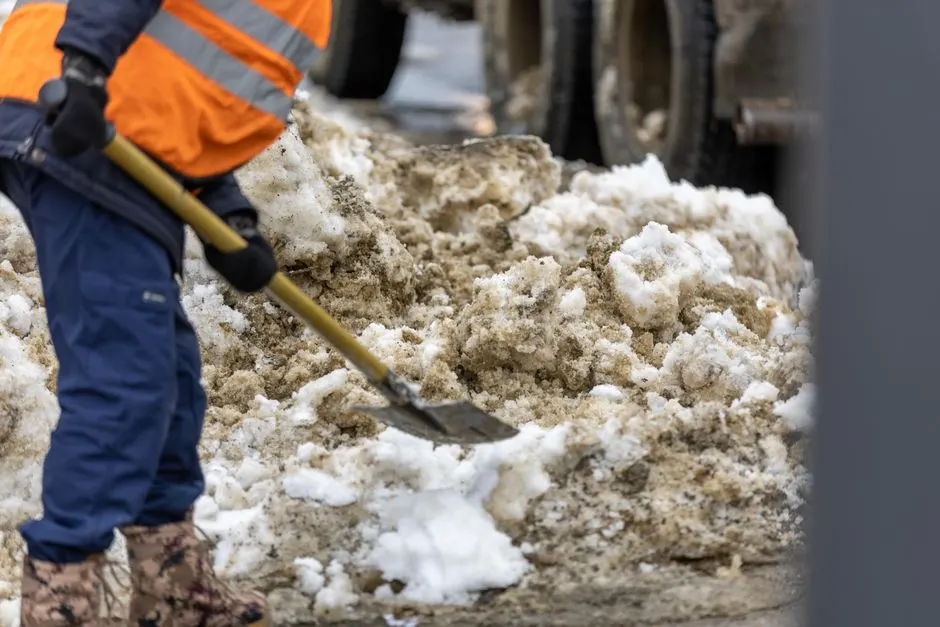
A worker dressed in high visibility clothing shoveling snow during winter maintenance.
Licensed Licensed & Bonded
Fully Insured Insured & Bonded
24/7 Emergency Same-Day Response
Warranty Backed Workmanship Guaranteed

What Groundwater Removal Includes

Groundwater Intrusion Removal covers assessment, extraction of accessible standing water, moisture checks, and drying equipment for affected materials. We protect nearby dry areas and explain which materials appear salvageable based on their condition and readings. Permanent foundation waterproofing, sump replacement, and drainage construction are repair services beyond water extraction; we can identify visible concerns so you know what source-control work to arrange.

Water and Safety Assessment

We inspect water depth, affected rooms, access, and immediate hazards before setting equipment. This includes checking whether water is near electrical components and asking whether the source is still active. The assessment guides pump selection and helps protect dry belongings and walkways during the work.
Standing Water Extraction

We pump or vacuum accessible water from floors, pits, and low points using equipment suited to the volume. After bulk removal, we address remaining surface water around edges and obstacles. Extraction reduces the time building materials and belongings stay in contact with water.

Moisture Mapping

We use moisture readings to locate damp areas in accessible walls, baseboards, and flooring. Where useful, a thermal imaging camera helps identify temperature patterns that warrant closer inspection. You get a clearer view of where moisture remains instead of relying on appearance alone.

Structural Drying Setup

We place air movers and dehumidification equipment to support drying in the affected space. Equipment placement reflects room size, wet materials, and measured conditions. We recheck progress and adjust the setup when readings show that a surface or concealed edge needs more drying time.

Work Area Protection

We keep extraction equipment and foot traffic focused on the affected zone and protect nearby contents where practical. When material removal is needed, we identify the wet section and discuss the reason. Containment and protective procedures are selected according to the material and work being performed.

Groundwater Intrusion Removal in Illinois


Groundwater Intrusion Removal in Illinois is a water damage service that extracts subsurface water from below-grade spaces and dries materials affected by seepage. We first identify where water is collecting, then select a portable extraction pump or submersible pump for the depth and volume. Moisture readings help us distinguish a wet surface from water trapped behind drywall or beneath flooring. We remove accessible standing water, protect unaffected areas, and set drying equipment where readings show it is needed. The goal is a documented, drier basement and a clear record of conditions.

Illinois homes face changing groundwater pressure, freeze-thaw cycles, spring rainfall, and summer storms; conditions vary between regions and properties. A failed sump pump, foundation seepage, or stormwater intrusion can leave water at the slab edge even when no pipe has burst. Our Illinois basement groundwater seepage cleanup addresses the water and hidden moisture, rather than treating a wet floor as the whole problem. If you are searching how to remove groundwater seeping into a basement, start with safe extraction and moisture measurement before covering or repainting affected surfaces.

What to Expect During Service

Groundwater Intrusion Removal follows a sequence: assess the source and safety, extract water, check materials, and dry the affected space. We explain each step as we work, so you know why equipment is placed in a particular area and what the readings mean. Many extraction visits take several hours; drying can require additional monitoring over the following days.

01

Schedule

Call or book online — a real human picks up and confirms a 2-hour arrival window.

02

Diagnose

Licensed tech inspects on-site, then walks you through the cause and your options.

03

Fix

The job is completed to code and done right the first time — no shortcuts, no surprises.

04

Guarantee

Every job backed by a written workmanship warranty — and we stand behind it.

Tools and Drying Methods

Tools & Equipment

Submersible pump

We use a submersible pump to remove deeper standing water from low points and sump areas. Its placement and operation depend on water depth, safe access, and whether inflow is continuing.

Moisture meter

A moisture meter checks affected building materials and helps track drying progress. We compare readings at wet areas and nearby reference points to guide equipment placement and follow-up.

Dri-Eaz dehumidifier

Dri-Eaz equipment supports humidity control during structural drying. We size and position the unit according to the affected space and measured conditions, then review progress as materials dry.

HEPA air scrubber

A HEPA air scrubber with HEPA filter media can help control airborne particles during applicable cleanup or material handling. We use it when site conditions and the work being performed warrant filtration.

Water-absorbent extraction pads

We use water-absorbent extraction pads to collect residual surface water around edges, tight corners, and areas where larger equipment cannot reach. They complement pumping rather than replace bulk extraction.

Methods & Standards

ANSI/IICRC S500 restoration principles

We use the ANSI/IICRC S500 Standard for Professional Water Damage Restoration as a reference for assessment, extraction, and drying decisions. The method emphasizes the water source, affected materials, safety, and documented progress. We apply it to the conditions found in your basement rather than treating every seepage event identically.

Measured structural drying

We combine controlled air movement with dehumidification and repeat moisture checks. Equipment is placed to move air across affected surfaces without creating unnecessary disruption to dry rooms. Readings help determine whether drying is progressing and whether a material needs access or removal.

Source-aware extraction

We distinguish groundwater seepage from plumbing leaks, sewage backup, and stormwater intrusion because each source affects safety and cleanup choices. We ask when the water appeared, inspect visible conditions, and select extraction tools accordingly. If a source remains active, we explain how that affects the cleanup sequence.

When to Call Our Team

01

Water appears at the basement wall-floor joint after several hours of steady rain.

What we do: We check the water depth and affected perimeter, extract the standing water, and measure lower wall and flooring moisture. If the entry point is visible, we record its location for your repair planning. Drying equipment is set where the readings show water has migrated beyond the floor surface.

→ You get a cleared work area, a measured view of remaining moisture, and practical next steps for the recurring entry point.

02

A sump pump stops during a storm and water spreads into a finished basement.

What we do: We assess electrical safety and water depth before using a submersible pump or extraction unit. We protect unaffected areas, remove water, and check carpet padding and lower drywall. If water continues rising, we account for the active inflow while discussing the pump failure with you.

→ The immediate water is removed, saturated materials are identified, and the drying plan reflects the affected rooms rather than the sump pit alone.

03

A basement has damp flooring and a persistent odor after water was mopped up.

What we do: We inspect accessible floor edges and use moisture readings to determine whether water remains under finishes or inside nearby walls. Where appropriate, we use air movement and dehumidification to dry materials. We explain when more access or removal is needed instead of masking the odor.

→ You learn whether the basement is still damp and which areas need drying or material attention before new flooring is installed.

04

A commercial lower level takes on seepage near stored stock or mechanical equipment.

What we do: We focus extraction on the affected zone, protect accessible equipment and stock, and document moisture around the floor and lower wall. Our crew coordinates equipment placement to preserve a clear route through the space. Drying continues according to readings and the needs of the building materials.

→ The space is cleared of standing water, affected items are identified, and the property manager has a practical record for follow-up work.

Illinois Basement Conditions and Service

Groundwater Intrusion Removal in Illinois has to account for changing weather and a wide range of building types, from older masonry basements to newer finished lower levels. In November, freeze-thaw conditions and winter precipitation can expose weak foundation joints; spring rain and snowmelt can raise water pressure around foundations, while summer storms can overwhelm drainage quickly. Our team checks the actual entry area, not just the nearest puddle, because water can travel along slab edges and under flooring before appearing elsewhere. We provide Illinois groundwater intrusion removal with extraction, moisture checks, and drying matched to the affected materials. If you are asking how to remove groundwater seeping into a basement, the first practical step is to remove standing water safely and identify what remains wet. We use recognized restoration guidance, including ANSI/IICRC S500, and apply protective procedures suited to the work. Building and drainage requirements vary by municipality and property; permanent foundation or plumbing changes should follow applicable local requirements. We do not treat extraction as a substitute for repairing the source.

Neighborhoods We Serve

  • Downtown Naperville

    Finished lower levels and stored belongings call for careful extraction around stairs, utility areas, and flooring edges where seepage can spread out of sight.

  • Bolingbrook subdivisions

    After a sump pump stops during heavy rain, we check the pit and surrounding floor, then assess whether water reached wall bottoms or carpet padding.

  • Wheaton residential blocks

    Older and remodeled basements can have different wall and floor materials, so we measure affected sections before choosing drying equipment or material removal.

Local Conditions We Plan For

  • Freeze-thaw movement stresses foundation joints and lower wall connections.

    As temperatures move around freezing, water in small openings can contribute to seepage paths. We assess the actual wet areas and avoid assuming that one visible crack explains every damp section.

  • Spring rainfall and snowmelt increase water around below-grade foundations.

    Saturated soil can push water through slab edges or foundation joints. We prioritize safe removal, check whether inflow continues, and document materials that need drying after the water is gone.

  • Summer storms can send runoff toward basement entrances and window wells.

    A short, intense storm may create both surface water and below-grade seepage. We identify the affected areas separately so extraction and the later source repair address the conditions actually found.

Seepage After Heavy Rain

Before

Water had collected along a basement wall after steady rain, with damp carpet padding at the room edge and a musty smell. The visible puddle was only part of the problem: moisture readings showed the lower wall and a section beneath the flooring were still wet. Stored boxes had also been placed directly against the affected wall.

After

We extracted standing water, removed residual moisture at the floor edge, and set drying equipment based on readings. In a representative 2- to 5-day drying cycle, follow-up checks showed progressively lower moisture across the affected section. The boxes were moved from the wet wall, and the homeowner had a clear record of areas needing source repair.

Maintenance: Keep stored items several inches off basement floors and walls, and check the affected area after substantial rain. Test sump operation regularly and address exterior drainage concerns before installing replacement carpet or closing damp wall cavities.

Before

A sump pump failure left approximately 1 to 2 inches of water around a utility room and into an adjoining storage area. Water had reached the base of shelving and the edge of a finished wall. The owner had mopped the open floor but could not tell whether moisture remained behind the baseboard.

After

We pumped the low area, vacuumed residual water, and checked the wall base and adjacent floor with a moisture meter. The drying setup ran for several days, with readings guiding the follow-up. The standing water was gone, affected materials were identified, and the owner could coordinate pump repair separately from the cleanup.

Maintenance: Have the sump pump and discharge path checked on a routine schedule, especially before forecast heavy rain. Keep the pit accessible and avoid storing valuables at floor level near the pump or the lowest part of the basement.

Before

The basement floor looked dry after a small seepage event, but the room retained a damp odor. Moisture readings near the foundation were higher than readings in the center of the room, suggesting water had travelled beneath the flooring edge. No one had checked the lower drywall before the planned repaint.

After

We inspected accessible edges, checked the lower wall and floor, and used targeted air movement and dehumidification. Follow-up readings over the next 48 hours helped confirm the direction of drying and identify the section needing further access. The owner delayed repainting until the damp materials were addressed.

Maintenance: Do not cover a damp basement surface with paint or new flooring. Check the room after rain, keep air paths open around the foundation wall, and have recurring odor or elevated readings investigated before replacing finishes.

Solve Basement Seepage Problems

Groundwater entering below-grade rooms can damage finishes even when the first puddle looks small. We remove water, check where it travelled, and set a drying plan based on the material and measured moisture. These are common problems we handle for Illinois property owners after storms, pump failures, and recurring foundation seepage.

Problem

Water keeps returning along the foundation after rain.

Repeated wetting can saturate wall bottoms, floor edges, and stored belongings; trapped moisture can remain after surface water is removed.

Our Fix

We extract the water and map the affected materials with moisture readings, then document visible entry locations. If the same area is wet again, we explain what our extraction findings show and identify the need for drainage or foundation source control. Drying equipment supports recovery while you address the recurring entry point.

Problem

A sump pump failure leaves water across the basement floor.

Water can spread beyond the sump pit and soak carpet padding, lower drywall, and items stored directly on the floor.

Our Fix

We remove standing water using a pump suited to the depth, then vacuum residual water around the pit and room edges. Our technicians check surrounding materials and place drying equipment according to moisture readings. We also note whether water is continuing to enter, so the pump problem can be addressed alongside cleanup.

Problem

The floor looks dry, but a musty odor remains.

Moisture trapped beneath flooring or behind a finished wall can keep materials damp and create conditions that support microbial growth.

Our Fix

We inspect accessible surfaces and use a moisture meter to check suspect areas instead of relying on the dry appearance. If readings show retained water, we recommend focused extraction, material access, or additional drying. We use HEPA air scrubber filtration when the work conditions call for airborne dust control.

Problem

Stormwater reaches stored items and finished basement rooms.

Paper goods, furniture, and porous finishes absorb water quickly; delays can increase the amount of material that needs removal or repair.

Our Fix

We separate affected contents from the wet floor where practical, extract water, and assess flooring and wall edges. We document the visible impact and use drying equipment where readings support it. You receive a clear account of what was wet and what still needs attention after the storm.

Practical Results for Your Basement

Practical Results for Your Basement

Groundwater seepage is more than a puddle: water can move under carpet padding, wick into drywall, and leave a damp odor after the visible water is gone. We focus on measurable removal and drying, with equipment matched to the affected area. You get a clear explanation of what is wet, what has been extracted, and what should happen next.

  • Standing Water Removed

    We choose extraction equipment based on water depth, access, and the amount present. A truck-mounted water extraction unit can handle larger volumes, while a portable extraction pump reaches tighter basement areas. We also use water-absorbent extraction pads for remaining surface water. Removing water promptly reduces the time your belongings, flooring, and lower wall materials stay saturated.

  • Hidden Moisture Measured

    A moisture meter helps us check drywall, baseboards, and flooring after the obvious water is gone. We record readings at affected points instead of guessing by touch. That matters when groundwater has travelled beneath flooring underlayment or behind a finished wall, where a dry-looking surface can hide continued dampness.

  • Drying Matched to Conditions

    Air movers and a commercial dehumidifier support controlled drying after extraction. We place equipment to circulate air across wet materials and reduce excess humidity, then review readings as the job progresses. Your basement gets a drying plan based on the materials and measurements, not a fixed number of machines in every room.

  • Clear Next Steps

    We explain which materials are drying in place and which have absorbed too much water to remain. If carpet padding or damaged drywall needs removal, we identify the affected area before work proceeds. You leave with practical information for addressing drainage, sump operation, or foundation entry points after emergency water removal.

Training and Work Standards

Licensed & Certified

  • Water Damage Restoration Technician — issued by Institute of Inspection, Cleaning and Restoration Certification
  • Applied Structural Drying — issued by Institute of Inspection, Cleaning and Restoration Certification
  • Applied Microbial Remediation Technician — issued by Institute of Inspection, Cleaning and Restoration Certification
  • Lead Renovation, Repair and Painting — issued by U.S. Environmental Protection Agency

Verified Reviews

Customer feedback Not stated

After water came through the foundation joint, the crew extracted the puddle and checked the lower wall instead of calling the job finished when the floor looked clear. They explained the readings and where drying equipment needed to go. That gave us a useful plan for the next repair.

Customer feedback Not stated

Our basement had water near the sump and under the edge of a rug. The team removed the water, checked the flooring, and told us what was still wet. They kept the work area organized and helped us understand why the room needed more drying time.

Customer feedback Not stated

We called after rain left a damp smell in the lower level. The technician checked the wall and floor with a moisture meter and found a wet area we had missed. The explanation was direct, and we knew what to monitor before replacing the damaged finish.

Field Knowledge and Training

Groundwater problems require careful extraction and sound drying judgment, not just a pump. Our technicians use recognized restoration practices, including the ANSI/IICRC S500 Standard for Professional Water Damage Restoration, to guide water damage assessment and drying decisions. Training matters when water has reached finished walls, electrical areas, or materials that could support microbial growth. We check conditions, select equipment for the room, and explain what the readings show. We do not claim a fixed number of years or completed jobs; our focus is on methodical work, appropriate protective equipment, and a clear handoff after service.

  • IICRC Water Damage Restoration Technician training supports practical assessment, extraction, and drying decisions for wet building materials.
  • IICRC Applied Structural Drying principles guide equipment placement and moisture checks as your basement dries.
  • Our crew follows OSHA Hazard Communication Standard practices when handling restoration products and communicating material precautions.
  • We use moisture readings and documented observations to separate visible surface water from moisture retained behind or beneath finishes.
  • When older painted surfaces are involved, EPA Lead Renovation, Repair and Painting certification requirements guide applicable renovation work.
Get Started Today
Field Knowledge and Training

Cities We Serve in Illinois

Our statewide service coverage includes suburban communities, regional hubs, and larger cities across Illinois. We coordinate Groundwater Intrusion Removal around the water level, building access, and materials at each property, rather than using one setup everywhere. From a sump failure in a finished basement to seepage after prolonged rain, our technicians extract water and check for hidden moisture. Select a city below to find local service information.

Groundwater Removal Questions

Real answers to the questions we hear most often from local homeowners and property managers.

Why is groundwater entering my basement in Illinois?
Groundwater usually enters through foundation joints, slab cracks, or openings when soil water pressure rises after rain or snowmelt. In Illinois, freeze-thaw movement and seasonal precipitation can add stress around below-grade walls. A blocked drain, failed sump pump, or poor surface drainage can worsen the problem. We inspect the affected area, remove standing water, and identify visible conditions that may need a drainage or foundation specialist.
How is Groundwater Intrusion Removal performed?
Groundwater Intrusion Removal starts with a safety and moisture assessment, followed by pumping, residual water extraction, and measured structural drying. We select a submersible pump or vacuum for the water level, then check walls and flooring with a moisture meter. Air movers and a dehumidifier support drying, often over 2 to 5 days. Our process follows applicable ANSI/IICRC S500 restoration principles and includes a clear review of findings.
How much does groundwater seepage cleanup cost in Illinois?
A typical extraction and drying job ranges from $500 to $4,500, depending on water volume, access, affected materials, and equipment time. The cost of basement groundwater intrusion cleanup in Illinois rises when water reaches multiple rooms, carpet padding, insulation, or finished walls. We explain pricing upfront before work begins. Permanent drainage or foundation repairs are separate from emergency extraction and drying.
When should I call a professional for basement groundwater?
Call promptly if water is rising, covers electrical areas, reaches finished walls, or returns after pumping. Even 1 inch of standing water can spread beneath flooring and into stored materials. Avoid entering water near energized equipment, and do not use household appliances in a wet area. We can assess the water, extract it safely, and check for hidden moisture before it causes more damage.

More Help for Water Damage

Emergency Water Extraction

Emergency Water Extraction clears standing water when seepage is active or a basement has flooded. We use pumps and extraction equipment suited to the volume, then check remaining moisture. If groundwater continues entering, extraction can limit damage while you arrange source control.

View Emergency Water Extraction

Flood Water Removal

Flood Water Removal addresses larger water events that affect several rooms or a full basement. We remove bulk water, protect unaffected areas, and assess porous materials. This service connects directly to groundwater work when heavy rain pushes water through foundation openings.

View Flood Water Removal

Basement Water Removal

Basement Water Removal focuses on clearing water from below-grade rooms, utility areas, and storage spaces. We extract water from hard floors and assess carpet, padding, and lower wall sections. Moisture checks help determine whether drying equipment should remain after the visible water is gone.

View Basement Water Removal

Sump Pump Failure Water Removal

A failed sump pump can let groundwater collect quickly around the basement perimeter. We remove the standing water and check the wet materials while you address the pump or power issue. If the pit is still receiving water, our team accounts for ongoing inflow during extraction.

View Sump Pump Failure Water Removal

Sewage Backup Cleanup and Water Removal

A sewage backup requires a different safety and cleanup approach from clear groundwater seepage. We identify the affected area, use appropriate protective equipment, and remove contaminated water and impacted materials. Keeping these services distinct helps prevent cross-contamination in your basement.

View Sewage Backup Cleanup and Water Removal

Storm and Rainwater Extraction

Storm and Rainwater Extraction removes water that enters during intense rainfall, roof drainage failure, or surface runoff. We extract water from affected rooms and check for moisture migration. Groundwater and stormwater can arrive together, so we assess both visible water and below-grade seepage.

View Storm and Rainwater Extraction

Call for Groundwater Intrusion Removal

If water is coming through your basement floor or foundation, call our team for Groundwater Intrusion Removal in Illinois. We will discuss the water level, access, and immediate safety concerns, then explain the next step. Call +18668968166 for service.

Call Now Call for Help

Contact Our Team

Call Illinois Water Extraction Pros at +1-866-896-8166 any time, day or night, to report a leak, flooded basement, or stormwater intrusion. Tell us your Illinois community, the water source, and whether water is still entering; we will connect your request with an independent company serving the area. If there is an immediate electrical hazard, keep clear and contact emergency services.

Or call us right now at +18668968166 — we answer.

Illinois Water Extraction Pros


  • Phone

    +18668968166
  • Address

    Illinois

  • Hours

    Mon–Fri: 7AM – 7PM
    Sat: 8AM – 4PM
    Sun: Emergency Only
    24/7 Emergency Available

Call +18668968166 Get Quote
Call Quote