
Logo
Get Estimate

Sump Pump Failure Water Removal in Illinois

We pump out basement water and dry affected materials


Sump Pump Failure Water Removal in Illinois gets standing water out of your basement and begins controlled drying before moisture spreads into walls, flooring, and stored belongings. If a failed pump leaves your home flooded, our team locates the water, extracts it, and checks affected materials with moisture meters. We also handle Illinois sump pump failure water removal when a backup, storm, or power interruption overwhelms a basement system.

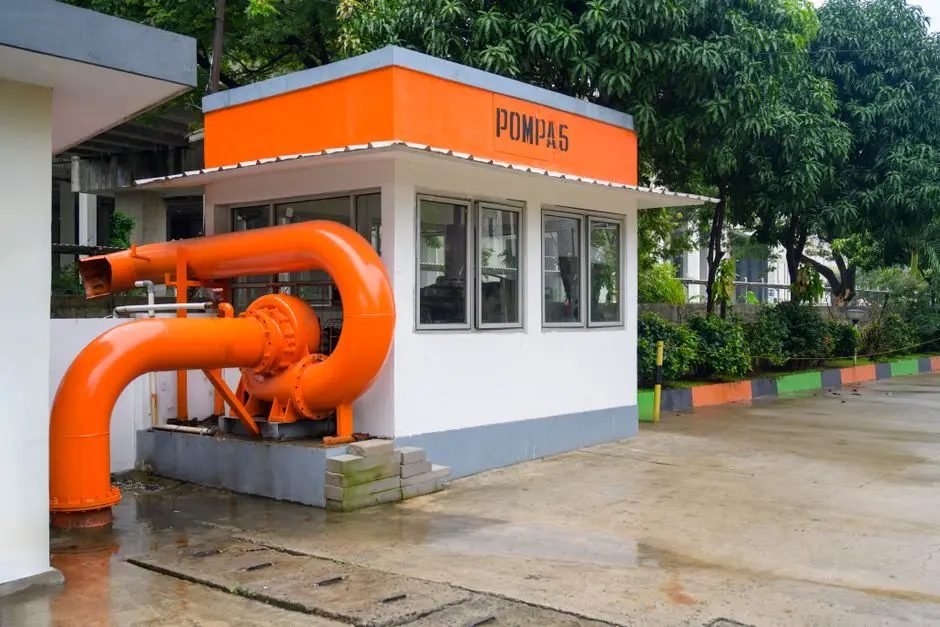
Bright orange pump station structure in Jakarta with greenery around.
Licensed Licensed & Bonded
Fully Insured Insured & Bonded
24/7 Emergency Same-Day Response
Warranty Backed Workmanship Guaranteed

What Sump Failure Cleanup Includes

Sump pump failure service covers water assessment, extraction, moisture mapping, and drying setup for affected basement materials. We explain the work and the pricing upfront. Pump replacement, electrical repairs, foundation waterproofing, and reconstruction are separate trades or projects; we identify those needs so you can arrange the right follow-up without confusing repair work with water mitigation.

Water And Safety Assessment

We check water depth, access, visible contamination, and electrical hazards before bringing equipment into the basement. The assessment helps us select an extraction method and determine which rooms, stored items, and building materials need attention.
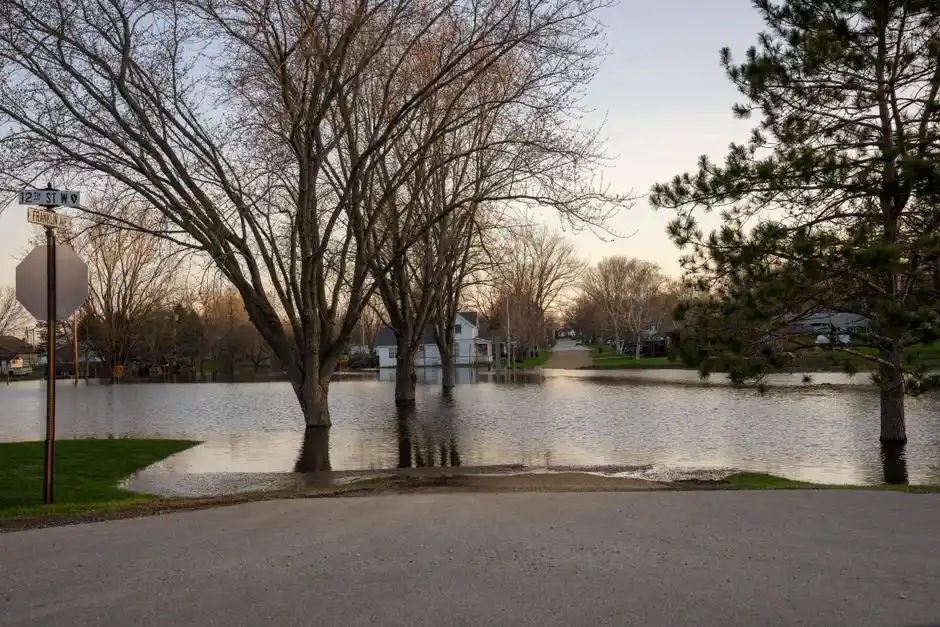
Standing Water Extraction

We remove deeper water with pumping equipment and address remaining water along edges and accessible surfaces. Extraction includes a review of low spots and nearby rooms so water is not left behind simply because the main floor appears clear.

Moisture Mapping

We check affected drywall, flooring, carpet padding, and other accessible materials with a moisture meter. Readings help identify hidden dampness and establish dry comparison points, giving you useful information for drying and repair decisions.

Drying Equipment Setup

Air movers and commercial dehumidifiers are placed to move air through the wet zone and remove moisture from the room. We adjust placement as readings change and explain how to keep the equipment area clear and safe.

Progress And Completion Review

We review drying readings, note materials that require further work, and explain when equipment can be removed. You also receive practical findings about a likely pump or discharge issue to share with the appropriate repair professional.

Sump Pump Failure Water Removal in Illinois


Sump Pump Failure Water Removal in Illinois is an emergency water mitigation service that extracts basement water and dries materials after a failed, overwhelmed, or powerless sump system. We first assess water depth, identify electrical and contamination hazards, and determine whether the water is groundwater or mixed with sewage. A submersible pump or portable extraction pump removes bulk water; a wet/dry vacuum and water-absorbent extraction pads address remaining surface water. We then map moisture in drywall, carpet padding, flooring underlayment, and framing so drying targets the materials that actually got wet.

Illinois basements face heavy spring rain, summer storms, and winter freeze-thaw cycles that can push groundwater toward foundations or interrupt a pump's discharge. A stuck float switch, clogged intake, failed check valve, tripped breaker, or discharged backup battery can turn a small sump pit into widespread basement flooding. If you are asking who removes water after a sump pump stops working, we extract the water, document moisture, and identify conditions that need a plumber or electrician. Our emergency basement pumping after sump pump failure starts with safe access and a clear plan.

What Happens During Service

Sump Pump Failure Water Removal in Illinois follows a controlled sequence: make the area safe, extract water, measure moisture, dry affected materials, and review the result. Our team explains each step as it happens, so you know what the equipment is doing and what remains before the basement can return to normal use.

01

Schedule

Call or book online — a real human picks up and confirms a 2-hour arrival window.

02

Diagnose

Licensed tech inspects on-site, then walks you through the cause and your options.

03

Fix

The job is completed to code and done right the first time — no shortcuts, no surprises.

04

Guarantee

Every job backed by a written workmanship warranty — and we stand behind it.

Equipment And Drying Methods

Tools & Equipment

Truck-mounted water extraction unit

We use high-capacity extraction equipment for accessible areas with substantial water volume. It removes bulk water efficiently, then detailed tools address edges and residual water that remain after the main pass.

Portable extraction pump

A portable extraction pump fits areas where a truck-mounted hose cannot reach easily or where access is restricted. We select it based on water depth, location, and the path available for safe removal.

Moisture meter

A moisture meter checks readings in drywall, flooring, and other accessible materials. We compare wet areas with unaffected reference locations to guide equipment placement and judge drying progress.

Air mover and commercial dehumidifier

Air movers direct airflow across wet surfaces while a commercial dehumidifier removes water vapor from the room. Together they support controlled drying when positioned around measured wet areas.

Phoenix Restoration Equipment

Phoenix Restoration Equipment includes professional drying equipment used in structural drying setups. We place appropriate units according to room layout and moisture readings, then adjust the setup as materials dry.

HEPA air scrubber

A HEPA air scrubber can support air management when cleanup conditions call for filtration or containment. We use HEPA filter media as part of a controlled plan, not as a substitute for removing wet materials.

Methods & Standards

ANSI/IICRC S500 Standard for Professional Water Damage Restoration

We use the ANSI/IICRC S500 Standard for Professional Water Damage Restoration as a framework for assessing water damage, selecting extraction and drying methods, and monitoring progress. The water category, affected materials, and building conditions inform the actual work; the standard does not replace job-specific measurements.

Moisture mapping and dry comparison

We record readings in affected materials and compare them with unaffected areas of similar construction. That gives us a baseline for deciding where air movers belong, whether additional drying is needed, and when readings have approached the property's dry condition.

Controlled containment and cleaning

Where the conditions require it, we use polyethylene containment sheeting and suitable protective equipment to limit spread during cleaning or material handling. If water is contaminated, we change the cleaning approach and use appropriate disinfectant and antimicrobial solution on compatible surfaces.

Structural drying checks

We place drying equipment to move air and remove vapor, then recheck the same materials during the drying period. Readings guide adjustments rather than a fixed equipment schedule. We explain whether a wet material is drying in place or needs removal and replacement.

When To Call For Extraction

01

A basement sump stops during a November rain, and water is spreading toward a finished family room.

What we do: We first check safe entry and the water source, then pump out the standing water and extract moisture from the finished floor. Our team checks carpet edges and lower wall sections, sets drying equipment, and gives you readings to track progress while a pump repair is arranged.

→ Water is removed from the accessible floor, wet materials are identified, and drying begins before you make decisions about repairs or replacement.

02

A frozen discharge line blocks the pump during a winter thaw, leaving the sump pit full.

What we do: We assess the overflow and surrounding materials, remove water with suitable pumping equipment, and check whether the discharge has caused additional wet areas. We document moisture and set drying equipment where needed; a plumber can address the frozen or damaged line.

→ The basement is cleared of standing water, and you know which areas need monitored drying and which line needs repair.

03

A summer storm overwhelms a working pump, soaking storage, carpet padding, and the base of drywall.

What we do: We separate waterlogged contents from the extraction path when safe, remove bulk water, and check the carpet and drywall base for moisture. Air movers and dehumidifiers are placed to address remaining dampness, with follow-up readings guiding equipment adjustments.

→ The visible flood is removed and the drying plan addresses concealed moisture instead of relying on surface appearance alone.

04

A sump pit overflows after a power interruption while a water heater and electrical outlets sit nearby.

What we do: We do not enter a potentially energized area. Once safe access is established, we extract the water, inspect nearby materials, and identify any contamination or equipment concerns. We then set a drying plan and explain which electrical or plumbing repairs must be handled by the appropriate trade.

→ Hazards are treated seriously, water is removed when entry is safe, and you have a clear sequence for restoration and repair.

How Service Works Across Illinois

Sump Pump Failure Water Removal in Illinois must account for changing weather and varied basement construction. As November brings colder nights and rain that can turn to snow, thaw cycles can raise groundwater while frozen discharge lines restrict flow. Spring storms and summer downpours create different pressure on sump systems, so we assess the actual water source rather than assume every overflow is the same. Older basements may have stone or masonry walls, while finished lower levels often conceal carpet padding, drywall, and insulation that hold moisture. We check those materials and plan equipment around access, room layout, and the water volume. Illinois sump pump backup cleanup also requires attention to whether water is groundwater, stormwater, or sewage-contaminated; that distinction changes protective measures and cleaning. If you need basement water extraction after sump pump failure, we coordinate a safe extraction and drying sequence and explain when a plumber, electrician, or building professional should handle a separate repair. Local conditions affect travel and scheduling, but the assessment and measurement process stays consistent across our service area.

Neighborhoods We Serve

  • Aurora

    Basement layouts range from unfinished utility rooms to finished family spaces. We check floor transitions and lower wall sections where overflow can travel beyond the sump room.

  • Schaumburg

    A storm-driven overflow can affect storage, carpet, and mechanical areas together. We map the spread room by room and keep clear access to utilities.

  • Mount Prospect

    When water reaches a finished basement, moisture can move beneath flooring before the surface looks saturated. We check edges and accessible material layers during extraction.

Local Conditions We Plan For

  • Freeze-thaw weather can restrict sump discharge during winter.

    A blocked or frozen discharge line can send water back toward the pit or stop normal pumping. We remove the resulting water and identify where dampness spread, while a qualified plumbing professional addresses the line condition.

  • Heavy spring rainfall can saturate soil around basement foundations.

    A sump system may run continuously or become overwhelmed as groundwater rises. We assess the water source, volume, and affected materials so extraction and drying address the actual loss rather than just the visible floor.

  • Finished basements conceal moisture beneath carpet and wall finishes.

    Water can travel under carpet padding or wick into drywall before the surface appears badly affected. We use readings and inspection to locate damp areas and explain whether drying in place is suitable.

Overnight Pit Overflow

Before

A failed sump left roughly 1 inch of water across a 400-square-foot utility and storage area. Cardboard boxes were wet at the base, and water reached the carpet edge near a finished room. The homeowner could not tell whether the wall or flooring beneath the carpet was still damp.

After

We removed standing water, extracted the carpet edge, and checked accessible wall and floor materials with a moisture meter. The crew set air movers and a dehumidifier, then rechecked readings over the next several days. The homeowner received a room-by-room explanation of what dried and what needed repair attention.

Maintenance: Have the pump, float switch, and discharge line checked by a qualified repair professional. Test the system according to its manufacturer instructions and keep the pit cover accessible so a new overflow is easier to spot.

Before

A hard summer storm overwhelmed a sump system, and water spread from the pit toward the basement stairs. The floor looked mostly clear after the homeowner pushed water toward a drain, but moisture remained at the base of drywall and beneath stored items.

After

We extracted the remaining water, checked the stair landing and nearby wall bases, and found dampness in two areas the surface inspection missed. Air movers were repositioned after a progress check, and readings showed a steady reduction over four days. The homeowner could plan the remaining cosmetic work with better information.

Maintenance: Keep storage raised off basement floors and avoid blocking the sump access. Before storm season, have a plumber inspect pump operation and discharge routing, and address any drainage issue that repeatedly sends water toward the foundation.

Before

During a cold-weather thaw, a restricted discharge line coincided with a full sump pit and damp flooring near the utility area. The pump ran intermittently, and the homeowner noticed water returning to the pit after each cycle.

After

After safe access was confirmed, we pumped out the overflow and extracted water from the affected floor. Moisture checks identified dampness along the wall base, so drying equipment was directed there and reviewed during follow-up. The customer had clear findings to share with a plumber repairing the discharge issue.

Maintenance: Ask a qualified plumber to inspect the discharge route and pump operation before the next freeze-thaw period. Keep the outlet clear of snow and debris where safely accessible, and watch for repeated cycling or water returning to the pit.

Stop Sump Overflow From Spreading

A sump pump failure can leave water under finished flooring and inside wall cavities long after the visible puddle shrinks. We remove the water, assess material moisture, and set a drying plan based on measurements. That approach helps you address both immediate flooding and the less obvious damage that follows.

Problem

A failed pump leaves standing water across the basement floor.

Water can soak carpet padding, stored belongings, and lower drywall; prolonged wetness increases the chance of odor and material damage.

Our Fix

We check safe access, pump out deeper water, and extract the remaining surface moisture. Then we map affected materials and place drying equipment where readings show it is needed. You receive a clear explanation of what remains wet and whether disposal or repair should follow.

Problem

A clogged discharge line sends pumped water back toward the foundation.

Repeated cycling can refill the sump pit and keep the basement damp, even after the original storm ends.

Our Fix

We remove existing water and note visible discharge or overflow concerns for your plumber or pump technician. While drying proceeds, we check basement surfaces for recurring moisture. Fixing the line or pump source is essential to prevent a repeat loss after our extraction work.

Problem

Power loss disables the sump during heavy rain or snowmelt.

Without active pumping, groundwater can rise rapidly and reach finished rooms, utilities, and stored possessions.

Our Fix

Once electrical conditions are safe, we use pumping equipment suited to the water depth, then extract water from floors and edges. We measure moisture in nearby materials and explain what drying can begin immediately. You can then coordinate backup power or pump repair separately.

Problem

Water reaches wall cavities and flooring layers unseen.

A dry-looking floor can hide damp underlayment or insulation, leaving moisture in place and delaying successful restoration.

Our Fix

We use moisture readings and visual inspection to locate affected sections beyond the obvious puddle. If materials remain wet, we direct airflow and dehumidification toward them and check progress. Where removal is necessary, we explain the affected material and the reason before that work proceeds.

A Drier Basement, Faster

A Drier Basement, Faster

Sump pump overflow is more than a puddle: water can move beneath carpet, soak insulation, and remain inside wall cavities after the floor looks dry. We focus on measurable removal and drying, not just the visible water. You get a clear sequence of work, equipment matched to the affected area, and practical findings you can use for repair decisions.

  • Bulk Water Removed

    We use a submersible pump for deeper water and extraction equipment for the remaining film, then verify low spots instead of guessing from the doorway. For a 2-inch layer across a 500-square-foot basement, the water volume is substantial; early pumping limits how long carpet padding, stored boxes, and lower drywall stay saturated.

  • Hidden Moisture Located

    A moisture meter checks readings in floors and walls, while thermal imaging helps us spot temperature patterns that warrant closer inspection. We compare affected areas with dry reference points and record the findings. That helps you distinguish a dry surface from a wall cavity or flooring layer that still needs air movement.

  • Drying Set To Conditions

    We position air movers to move air across wet surfaces and commercial dehumidifiers to remove water vapor. Equipment placement changes with room size, contents, and material readings; the goal is to bring damp materials toward dry comparison readings, not simply to run machines for an arbitrary number of hours.

  • Clear Next Steps

    We explain what was extracted, which materials remain wet, and whether a plumber should repair the pump or discharge line. If contaminated water is present, we change the handling plan and address affected surfaces with appropriate protective equipment and cleaning methods. You leave with a practical drying and repair sequence.

Training And Work Standards

Licensed & Certified

  • Water Damage Restoration Technician (WRT) — issued by Institute of Inspection, Cleaning and Restoration Certification (IICRC)
  • Applied Structural Drying (ASD) — issued by Institute of Inspection, Cleaning and Restoration Certification (IICRC)
  • Applied Microbial Remediation Technician (AMRT) — issued by Institute of Inspection, Cleaning and Restoration Certification (IICRC)
  • Lead Renovation, Repair and Painting (RRP) — issued by U.S. Environmental Protection Agency

Verified Reviews

Customer feedback Not stated

A homeowner described a sump failure that left water around the utility area and carpet edge. The crew extracted the water, checked the lower wall with a moisture meter, and explained which readings still needed attention. The clear follow-up helped the customer coordinate pump repair and drying.

Customer feedback Not stated

After a storm overwhelmed the basement pump, the customer said the team removed water from the floor and checked beneath the visible wet areas. The drying setup was explained before equipment was left in place, and the follow-up readings made it clear when conditions had improved.

Customer feedback Not stated

A family dealing with a sump overflow appreciated the safety-first approach around nearby electrical equipment. The crew waited for safe access, extracted the water, and identified damp flooring the family had not noticed. They also received practical information for a plumber addressing the discharge line.

Technical Work, Clear Findings

Sump pump losses require more than removing visible water; the drying plan must account for what soaked below the surface and whether the water is clean or contaminated. Our technicians use established water-restoration practices and document readings as work progresses. Training such as IICRC Water Damage Restoration Technician (WRT) and IICRC Applied Structural Drying (ASD) supports sound decisions about extraction and structural drying. Where microbial remediation concerns arise, IICRC Applied Microbial Remediation Technician (AMRT) knowledge informs appropriate handling. We do not invent a drying endpoint: we compare readings with unaffected materials and explain the result to you.

  • We distinguish groundwater seepage from sewage backup before selecting extraction and cleaning procedures.
  • Moisture readings are taken at affected materials and dry reference locations, not judged by touch alone.
  • Our drying plan accounts for carpet padding, drywall, insulation, and flooring underlayment separately.
  • We follow the ANSI/IICRC S500 Standard for Professional Water Damage Restoration as a restoration reference.
  • Where applicable, EPA Lead Renovation, Repair and Painting (RRP) certification requirements guide work on older painted surfaces.
Get Started Today
Technical Work, Clear Findings

Cities We Serve In Illinois

Our Sump Pump Failure Water Removal service covers communities across Illinois, including homes with older utility basements, finished lower levels, and newer sump systems. We plan extraction and drying around the water depth, access, and materials in each property. Illinois sump pump backup cleanup in Aurora, Schaumburg, and Mount Prospect follows the same measured assessment, with equipment selected for the affected space and clear findings shared with you.

Sump Pump Failure Questions

Real answers to the questions we hear most often from local homeowners and property managers.

What should I do after sump pump failure floods my basement?
Keep people away from standing water near outlets, appliances, or a submerged electrical panel, and call for professional help immediately. If you can reach the breaker without crossing wet areas, shut off power to the affected zone; otherwise, stay out. Do not use a household vacuum or restart a suspect pump. We assess water depth and contamination, extract the water, and check damp materials so hidden moisture is not missed.
How soon is Sump Pump Failure Water Removal available in Illinois?
Emergency Sump Pump Failure Water Removal in Illinois is arranged as soon as our team can safely reach and assess the property; call 866-896-8166 to request service. Response timing depends on weather, road conditions, and active emergency demand, so we do not promise an unverified arrival minute. While waiting, keep clear of electrical hazards and note whether the water is rising, sewage-contaminated, or coming from a storm drain.
How much does sump pump failure flood cleanup cost?
A small, accessible extraction job can run about $300 to $900, while extensive drying or material removal can cost $1,500 to $5,000 or more in typical 2026 pricing. Water volume, contamination, finished materials, equipment days, and access drive the total. We explain pricing upfront before work proceeds. Illinois Sump Pump Failure Flood Cleanup may also involve separate plumbing repair if the pump or discharge system has failed.
Can a water removal company dry a basement after sump pump failure?
Yes; a water removal crew extracts standing water, measures affected materials, and sets drying equipment to reduce moisture in floors and walls. Basement water extraction after sump pump failure usually combines pumping, detailed extraction, air movers, and dehumidification, followed by progress checks. Drying often takes 3 to 5 days for a straightforward loss, but saturated insulation, carpet padding, or wall cavities can extend the work.

Related Restoration Services

Emergency Water Extraction

Emergency Water Extraction removes standing water when a sump failure is actively flooding your basement. We assess safe access, choose pumping equipment for the water depth, and extract residual water from floor edges. The service transitions into moisture checks and drying when the immediate water is out.

View Emergency Water Extraction

Flood Water Removal

Flood Water Removal addresses basement water from an overwhelmed sump, storm surge, or other sudden intrusion. We determine whether water is clean or contaminated before choosing extraction and cleaning steps. That matters when rainwater mixes with drain overflow or debris.

View Flood Water Removal

Basement Water Removal

Basement Water Removal focuses on the full affected area, including finished rooms, storage spaces, and lower wall sections. After sump failure, we check carpet padding and flooring underlayment rather than treating a dry-looking surface as proof the basement is dry.

View Basement Water Removal

Sewage Backup Cleanup and Water Removal

If a sump failure coincides with a sewer backup, the cleanup requires a different safety and sanitation approach. We identify the affected zone, use appropriate protective equipment, and clean surfaces with suitable disinfectant and antimicrobial solution. Contaminated materials may need removal.

View Sewage Backup Cleanup and Water Removal

Storm and Rainwater Extraction

Storm and Rainwater Extraction is useful when intense rainfall overwhelms the sump system or enters through a foundation opening. We remove the water, inspect the spread, and identify whether the basement needs additional drying after the storm passes.

View Storm and Rainwater Extraction

Groundwater Intrusion Removal

Groundwater Intrusion Removal addresses water entering through foundation joints, floor cracks, or a saturated sump pit. We extract the intrusion and document wet materials. A drainage or foundation contractor may need to correct the source after immediate mitigation.

View Groundwater Intrusion Removal

Get Sump Pump Failure Water Removal in Illinois

A flooded basement needs safe extraction before moisture spreads into finished materials. Call our team at 866-896-8166 and tell us how deep the water is, whether power is affected, and if the pump is still running. Our technicians will help you take the next safe step.

Call Now Request Service

Contact Our Team

Call Illinois Water Extraction Pros at +1-866-896-8166 any time, day or night, to report a leak, flooded basement, or stormwater intrusion. Tell us your Illinois community, the water source, and whether water is still entering; we will connect your request with an independent company serving the area. If there is an immediate electrical hazard, keep clear and contact emergency services.

Or call us right now at +18668968166 — we answer.

Illinois Water Extraction Pros


  • Phone

    +18668968166
  • Address

    Illinois

  • Hours

    Mon–Fri: 7AM – 7PM
    Sat: 8AM – 4PM
    Sun: Emergency Only
    24/7 Emergency Available

Call +18668968166 Get Quote
Call Quote