


Residential Water Extraction for Bloomington Homes
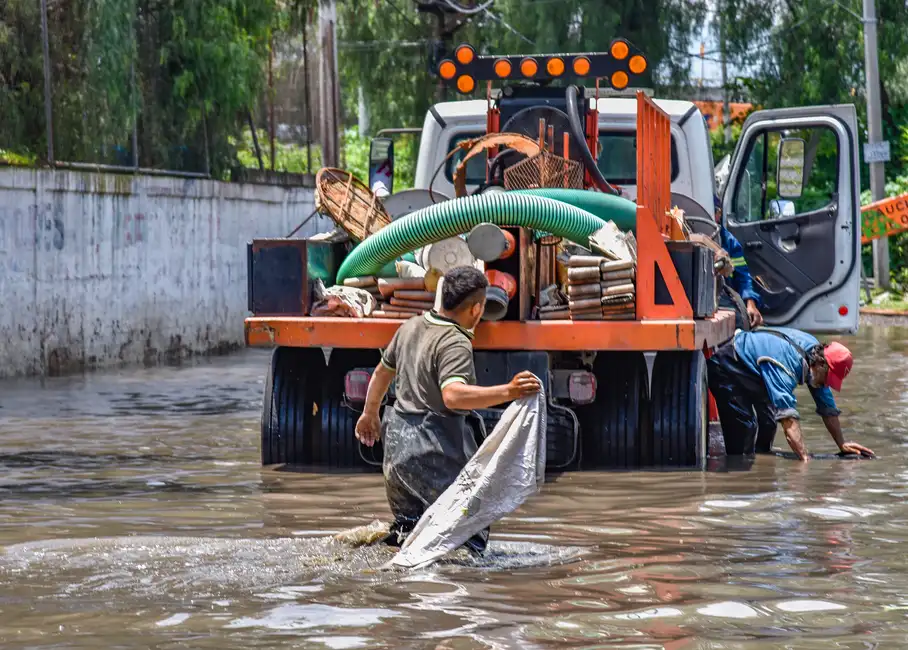
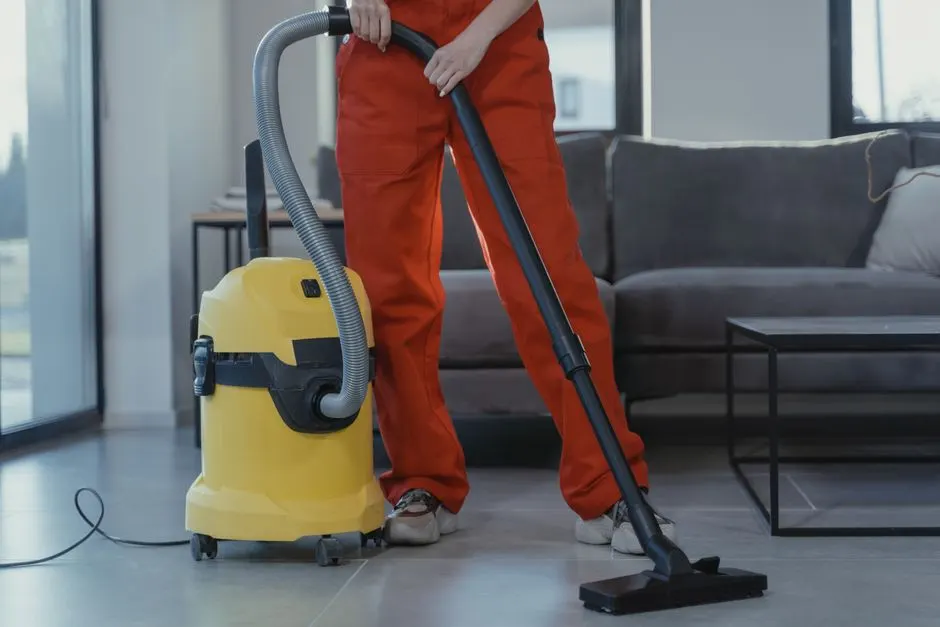
Residential water damage restoration in Bloomington starts with protecting the rooms your household needs most. A basement seepage event can affect storage, laundry, or a finished family room; a kitchen appliance leak can reach cabinets and flooring before the puddle is obvious. We remove water, inspect connected areas, and check materials such as carpet padding, drywall, and flooring underlayment. Bloomington's wet periods raise basement seepage and sump pump demand, while winter cold can freeze household plumbing. We tailor equipment placement to your home's layout and keep the route through stairs and hallways clear. You will know what is wet, what we are drying, and what needs additional evaluation before belongings return.
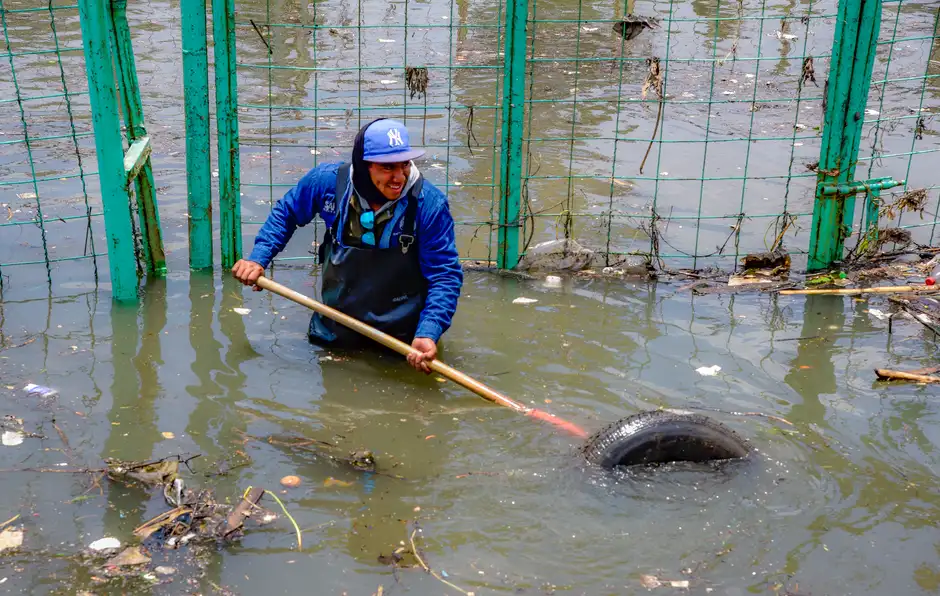
- Basement flood extraction — We remove standing water from Bloomington basements after seepage, storms, or sump pump failure. Our crew checks the floor perimeter, stored items, and lower wall sections, then measures affected materials. If water has soaked carpet padding or underlayment, we explain the next step before drying equipment is positioned.
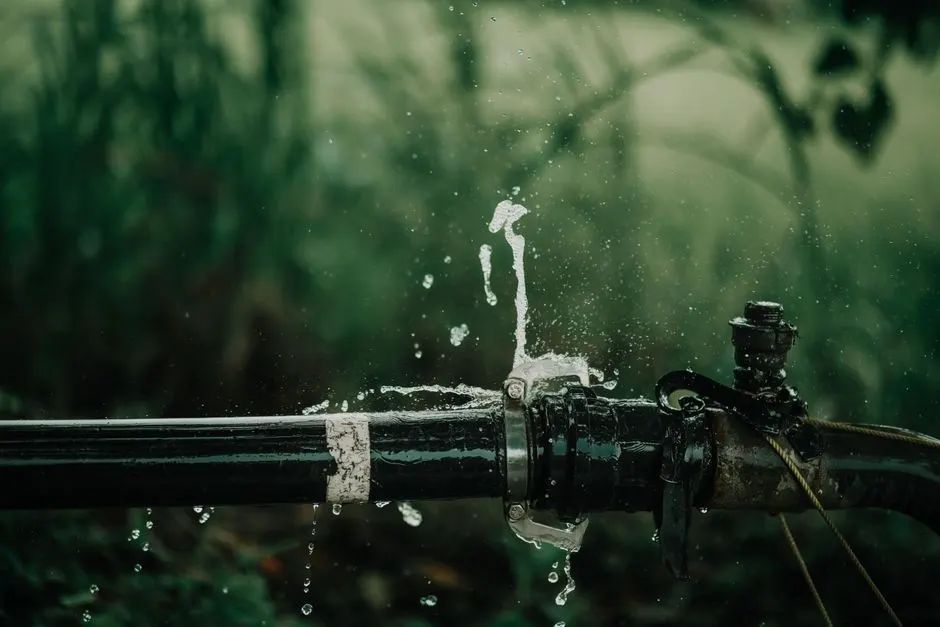
- Burst pipe cleanup — After a pipe is shut off, we extract water from the room where it broke and inspect spaces below or beside it. In Bloomington homes, a winter break can affect a wall cavity or ceiling as well as the visible floor. We map the wet area and support drying while plumbing repairs are handled.
- Appliance leak removal — A dishwasher, washer, refrigerator, or water heater leak can spread beneath cabinets and finished floors. We remove surface water, check edges and transitions, and use moisture readings to find damp areas the eye misses. Our Bloomington service is planned around protecting dry rooms and keeping household access usable.
- Sewage backup cleanup — Sewage backup cleanup requires separation, protective equipment, and careful assessment of porous contents. We remove contaminated water from Bloomington homes, keep the affected area controlled, and clean suitable surfaces. Materials that cannot be safely restored are identified so you can make decisions based on the actual condition.