
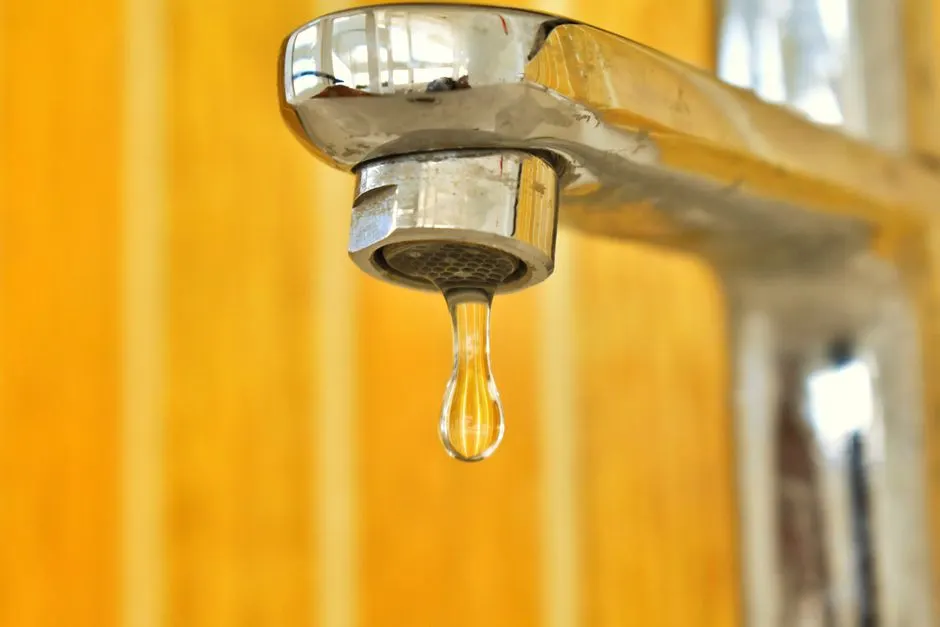
A water heater leaks onto a basement floor when a valve or pipe connection loosens, excess pressure sends water through the relief line, or the tank corrodes and splits. A puddle that keeps returning after you wipe it dry often points to an active leak that needs the water supply shut off and the wet area dried promptly.
A small drip can turn into a soaked carpet edge, swollen trim, or water beneath stored boxes before anyone notices. The source matters: a leaking fitting may be repairable, while water escaping through the tank itself usually means replacement. Here's how to tell the difference, what to do first, and when to bring in help for basement cleanup. For homeowners across the state, we provide Water Extraction in Illinois when water has escaped the utility area and spread onto basement flooring.
Why does my water heater leak onto the basement floor?
A water heater leaking onto basement floor surfaces usually comes from a loose connection, failing valve, pressure problem, condensation, or corroded tank seam. The location and timing of the water provide useful clues, but a wet floor alone cannot confirm which part has failed.
Start by looking at the top, sides, and base of the unit without touching hot water or electrical components. If the puddle grows, water runs steadily, or the floor is near a furnace or electrical panel, keep clear and shut off the supply only if you can reach the valve safely.
For clarity, water heater leaking onto basement floor is a plumbing leak that releases water around a tank or its connections and requires source control and drying when the floor or nearby materials become wet. Water extraction addresses the water damage; it does not repair the heater itself.
Where is the water coming from?
The source of a water heater leak in an Illinois basement is most often visible at a connection, drain valve, relief pipe, or tank seam. Check higher points first because water can run down the tank and collect at its base, making a top-side leak look like a tank failure.
Connections, drain valve, and relief line
Look for fresh moisture around the cold-water inlet and hot-water outlet fittings. A drip at a threaded connection can track along the jacket before falling to the floor. The drain valve near the bottom can also seep, particularly if its seal or cap is worn.
The temperature-and-pressure relief valve releases water through a pipe when pressure or temperature is too high. A brief discharge is different from a steady stream or repeated puddle. Do not cap or plug the relief pipe; it is a safety device. A plumber should investigate a recurring discharge and check the heater's settings and pressure.
A heater pan can catch limited drips, but it is not a cure for a leak. If the pan's outlet is blocked, too small, or missing, water can overflow onto the floor. That is when water heater pan overflow and cleanup become part of the problem, not just a plumbing repair.
Tank corrosion, condensation, and nearby pipes
Water emerging from beneath the tank itself, especially from a seam or rusted area, often signals internal corrosion. Many storage water heaters last roughly 8-12 years, though water quality, maintenance, and installation affect service life. If the unit is near or beyond that range and the tank body is wet, arrange plumbing inspection promptly.
Condensation can form on a cold tank or pipe when humid basement air meets a cool surface. It tends to appear as a light film rather than a growing puddle, and it may lessen when the air dries. Wipe the area, check it again in 30-60 minutes, and see whether fresh water returns at one specific point.
Basements in older Illinois homes can have uneven concrete floors, old pipe fittings, and limited drainage, so a small leak may travel away from the heater before it is spotted. We also help homeowners dealing with water around plumbing lines through Burst Pipe and Plumbing Leak Water Removal in Illinois when the source extends beyond the heater itself.
What should you do when a water heater leaks into a basement?
When a water heater leaks into an Illinois basement, stop the water flow if it is safe, protect yourself from electrical hazards, and move dry belongings out of the wet area. The first few minutes matter, but do not risk burns, shock, or a fall to save household items.
Follow these steps if you can reach the controls safely:
- Keep children and pets away, and do not step into standing water if cords, outlets, appliances, or a panel may be wet.
- Turn off the cold-water supply valve above the heater. If it will not close or water continues to flow, use the home's main shutoff if you can reach it safely.
- For an electric unit, switch off its breaker only from a dry location. For a gas unit, use its normal control only if the area is safe; leave the space if you smell gas and contact the gas utility or emergency services.
- Take photos of the leak, water level, and affected belongings. Avoid touching hot water or opening panels on the heater.
- Blot or extract water from a small, safe area, then check under nearby shelves, rugs, and stored items for hidden moisture.
If the leak is small and contained on bare concrete, you may be able to remove the water with towels or a wet-rated vacuum. Keep the heater off until a qualified plumber identifies and repairs the source. A water extraction crew handles the wet floor and materials; plumbing service handles the failed component.
During Illinois winters, a basement door or utility space can get cold enough to expose plumbing to freezing conditions. Keep the room reasonably warm, but do not use an open flame or a portable heater close to water, fuel lines, or stored combustibles.
How much damage can a leaking water heater cause?
A leaking water heater can damage flooring, drywall, trim, stored items, and the lower portions of framing if water remains in contact with them. A typical residential tank holds about 30-80 gallons, so a ruptured tank can release far more water than a slow valve drip before you reach the basement.
Concrete does not swell like wood, but water can sit in floor cracks, pass beneath vinyl or carpet, and reach the bottom edge of drywall. Engineered wood, laminate, and particleboard furniture can swell after only a few hours of wetting. The longer water remains trapped, the harder it is to dry the area fully.
Water damage from a leaking water heater can also spread behind baseboards or beneath a finished floor, where a surface mop will not reach. If the basement has carpet, a finished wall, or stored items directly on the slab, inspect the edges and backs rather than judging the damage by the visible puddle alone.
In the 2026 local market, a contained water-heater leak with limited extraction and drying can cost several hundred dollars; larger finished-basement losses can reach several thousand dollars depending on affected materials and repair needs. The size of the wet area, water trapped under flooring, and equipment time drive the total. We explain pricing before work begins, with the immediate goal of removing water and drying affected areas.
For nearby homeowners with older basements and mixed concrete and finished-floor surfaces, our Water Extraction in Chicago team sees how quickly a utility-room leak can move into adjoining storage or living space. Addressing the water early helps limit the area that needs drying.
Common mistakes that make a heater leak worse
Common mistakes during a water heater leak in an Illinois basement include treating a continuing drip as harmless, using unsafe electrical equipment, and covering up moisture before the floor is dry. A quick cleanup is useful only if the leak has stopped and you have checked where the water traveled.
- Assuming the tank is fine because the puddle is small. A slow leak can continue behind the unit and soak the floor over several days.
- Plugging the relief pipe. That pipe is part of the heater's safety system; never block it to stop water.
- Running a household vacuum through water. Use only equipment rated for wet pickup, and never operate it in standing water near electrical hazards.
- Putting rugs or boxes back too soon. They can trap moisture against concrete or hide a damp patch that is still spreading.
- Replacing the heater but skipping floor drying. A new tank does not remove water that has reached carpet pad, trim, or a wall cavity.
Check the area again after the first cleanup. If a dry paper towel placed around the valve or fitting becomes wet within an hour, the source is still active.
When to call for water extraction after a heater leak
Call for water extraction after a heater leak in Illinois when water has spread beyond a small, easily dried patch, soaked carpet or wall materials, or reached an electrical hazard. Water removal is also warranted if you cannot find the leak source or the puddle returns after you shut off the supply.
We start by locating visible water and checking the paths it may have taken beneath stored items and along the floor edge. Our team extracts standing water, then uses air movement and dehumidification to dry affected surfaces; we monitor moisture rather than relying on appearance alone. Drying time varies, but a limited concrete-floor incident may take 1-3 days, while wet carpet, wall cavities, or concealed water can take longer.
Homeowners dealing with water across a larger basement area can use Basement Water Removal in Illinois for extraction and drying focused on the floor and nearby materials. For a single fitting drip that stays on bare concrete, a wet-rated vacuum and careful follow-up may be enough once a plumber has stopped the leak.
Call Illinois Water Extraction Pros if the room smells musty, carpet remains damp, drywall has darkened, or water has reached a finished area. We can help remove the water and dry the basement while your plumber handles heater repair or replacement.
Frequently Asked Questions
Why is water coming from the bottom of my water heater?
Water at the base of a water heater most often comes from a leaking drain valve, a higher fitting that has run down the tank, or corrosion inside the tank. Check for moisture above the puddle, but do not touch hot water or electrical parts. If the tank body itself is wet, shut off the supply if safe and arrange inspection.
Can a leaking water heater flood a basement?
Yes. A residential tank commonly holds about 30-80 gallons, and an ongoing supply-line leak can add more water after the tank empties. A failed tank or unattended valve can soak flooring and stored belongings quickly. Shut off the water if safe, then get help if water has spread beyond a small patch.
Should I shut off the water when my water heater leaks?
Yes, turn off the cold-water supply to the heater if the valve is reachable from a dry, safe spot. If it will not stop the flow, use the main shutoff if you can access it safely. Stay out of standing water near electrical equipment, and contact a plumber to identify the leak.
When do I need professional water removal after a heater leak?
Arrange professional water removal if water covers more than a small patch, reaches carpet or drywall, returns after cleanup, or sits near electrical equipment. Call promptly when materials remain wet after 24 hours or when water may have moved beneath finished flooring. Extraction and drying reduce the chance of hidden moisture being left behind.
How do I tell a tank leak from a drain valve leak?
Dry the outside of the heater only if it is safe, then watch for where new moisture appears. Water returning directly at the drain valve points to that fitting; water emerging from a rusted seam or tank body suggests tank failure. Do not attempt to patch a corroded tank, and have a plumber confirm the source.
Get help with Water Extraction in Illinois
If a heater leak has left water on your basement floor, call Illinois Water Extraction Pros for help removing water and drying affected areas. Call +1 (866) 896-8166 to talk with our team.